
Meyer lilac
Syringa meyeri C. K. Schneid.
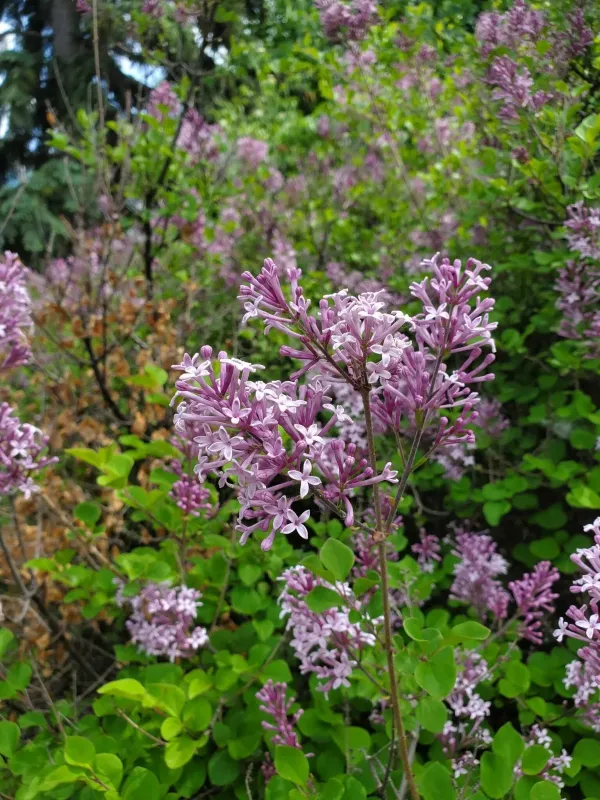
Description
Growing requirements
Meyer lilac (Syringa meyeri) is a compact deciduous shrub belonging to the Oleaceae family. Originating from Northern China, this species is highly valued in horticulture for its small stature, fragrant panicles, and remarkable ability to bloom twice per season under favorable conditions.
Botanically, it typically grows up to 1.5 meters in height and width, forming a dense, rounded mound. Its leaves are small, elliptic, and have a fine texture, distinguishing it from the larger Common Lilac species. The flower clusters are light purple to lavender and are exceptionally aromatic.
The plant requires full sun exposure to thrive. While it can tolerate partial shade, insufficient light will negatively impact the density of the shrub and significantly reduce the profusion of flowers. Wind protection is recommended in exposed landscape settings.
Soil requirements include well-drained, fertile, and slightly alkaline to neutral soil. Syringa meyeri is sensitive to soil compaction and waterlogging. Adding compost or well-rotted manure during planting enhances soil structure and encourages robust root development.
Care practices for this shrub involve regular pruning to maintain its form. Pruning should be carried out immediately after the first flush of flowers has faded. This practice not only keeps the plant tidy but also encourages the development of new shoots that may produce secondary blooms later in the season.
Main diseases and pests
Common pests affecting the Meyer lilac include lilac leafminers and scale insects. These pests can cause chlorosis or skeletonization of leaves, requiring immediate treatment with appropriate horticultural oils or systemic insecticides to maintain plant health.
Powdery mildew is a frequent fungal threat, particularly in humid climates with poor air circulation. It appears as a white dust-like coating on leaves. Ensuring proper spacing between plants is the most effective preventive measure to maintain airflow.
Bacterial blight can cause localized stem dieback. It is crucial to monitor the bush during the growing season and prune out any affected branches well below the point of infection, ensuring all tools are sanitized between cuts to prevent further spread.
Verticillium wilt is a more serious soil-borne disease that can cause sudden wilting and dieback of branches. Prevention focuses on maintaining optimal soil moisture and avoiding root damage during cultivation or maintenance activities.
Integrated pest management, including regular monitoring and maintaining overall plant vigor through adequate fertilization and watering, significantly reduces the likelihood of severe outbreaks. Early intervention remains the key to preserving the ornamental value of the shrub.