
Ilex x attenuata Topel
Ilex x attenuata Ashe
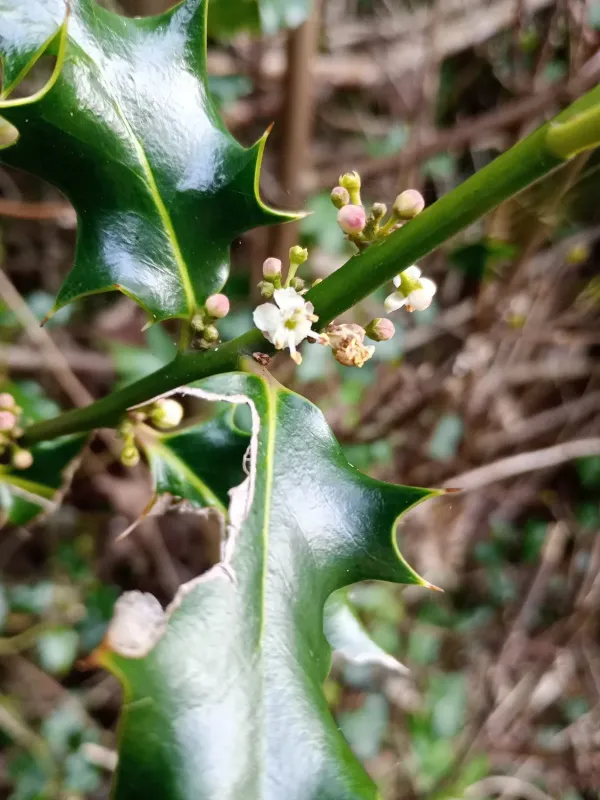
Description
Growing requirements
Ilex x attenuata 'Topel' is a vigorous evergreen shrub belonging to the Aquifoliaceae family. This hybrid, resulting from the cross between Ilex cassine and Ilex opaca, is prized for its excellent foliage density and reliable performance as an ornamental landscape plant.
The plant originates from the southeastern United States, where it thrives in humid, subtropical conditions. It shows a preference for climates with mild winters and consistent moisture, though it exhibits good hardiness once established in its permanent location.
Requirements for success include well-drained, acidic soil with a pH range of 5.0 to 6.5. It is essential to ensure that the planting site does not suffer from standing water, as the roots are susceptible to rot if they remain waterlogged for extended periods during the growing season.
The cultural site should be selected to provide protection from drying winds, which can cause winter burn on the leaves. While the plant adapts to various light conditions from full sun to partial shade, providing afternoon shade in hotter climates will help maintain leaf color and overall health.
Landscape utility is high, as the plant makes an excellent hedge, screen, or specimen piece. Its year-round green foliage and bright red berries contribute significantly to winter aesthetics, making it a popular choice for commercial and residential gardens alike.
Main diseases and pests
Ilex x attenuata is generally resistant, but can be prone to fungal leaf spot and root rot if site conditions are improper. Providing adequate space between plants and pruning regularly helps promote air circulation, which is the most effective preventative measure against fungal outbreaks.
Common pests include the holly leaf miner, scale insects, and aphids. Leaf miners create distinct trails within the leaf tissue, affecting both the health and aesthetic value of the plant. Scale insects often hide on the undersides of stems, necessitating thorough inspection.
- Inspect foliage and stems bi-weekly during spring.
- Prune out heavily infested branches immediately.
- Apply horticultural oils for scale control during dormant seasons.
- Maintain soil fertility to boost plant natural defenses.
Nematodes can also pose a risk in sandy soil types. To mitigate this, practitioners should enrich the soil with high-quality organic mulch, which supports beneficial microorganisms that suppress nematode activity and improve general nutrient uptake.
For sustainable disease and pest management, it is crucial to avoid overhead irrigation, which spreads pathogens. Integrated Pest Management (IPM) strategies, involving careful monitoring and targeted interventions, are recommended for maintaining large-scale plantings of this cultivar.