
Gentiana triflora
Gentiana triflora Pall.
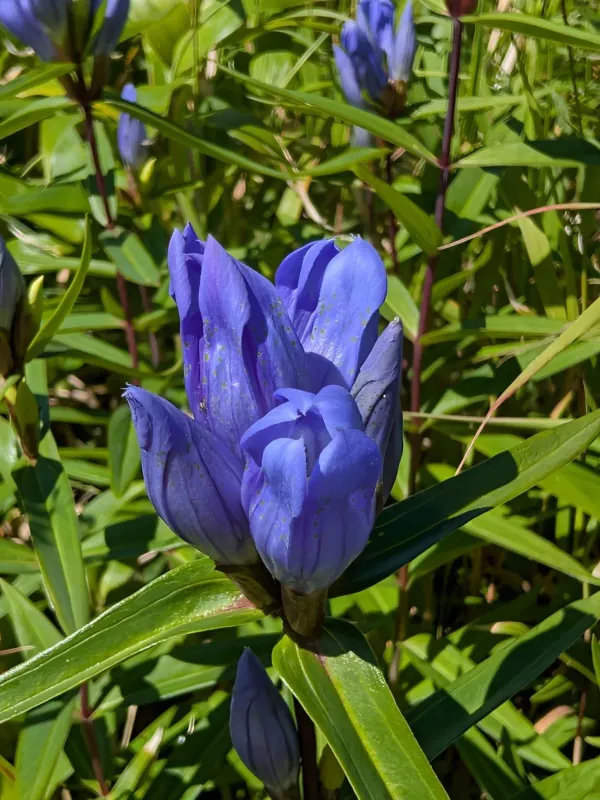
Description
Sowing dates
Sowing Gentiana triflora seeds is best performed in late autumn, as the seeds require a period of natural cold stratification to break dormancy and ensure high germination rates.
If spring sowing is preferred, seeds must be artificially stratified by placing them in a refrigerated environment at 2–4°C for at least two to three months before sowing.
Due to the small size of the seeds, they should be sown on the surface of the growing medium and pressed gently, without covering them deeply with soil or peat.
Maintain consistent humidity using a misting system or by covering the seed tray with plastic to keep the environment stable during the germination process.
When seedlings develop their first true leaves, they should be carefully transplanted to individual pots or prepared beds, ensuring they are spaced far enough apart for growth.
Growing requirements
Gentiana triflora is a perennial herbaceous plant belonging to the Gentianaceae family, known for its distinctive blue, tubular flowers and ornamental value.
The plant originates from the regions of the Russian Far East, Japan, and Korea, where it naturally inhabits moist meadows and the edges of forest areas.
It thrives in moist, well-drained, slightly acidic soil, which must remain cool throughout the growing season to support the plant's delicate root system.
Partial shade is ideal for this species, as intense direct sunlight can cause leaf burn and excessive drying of the soil, which leads to poor plant vigor.
Successful cultivation requires regular irrigation, particularly during dry spells, and the application of balanced organic fertilizers to ensure long-term sustainability.
Main diseases and pests
Slugs and snails are the most significant pests for Gentiana triflora, particularly in damp habitats where they feed on the succulent foliage and young shoots.
Fungal pathogens such as grey mold (Botrytis) can infest the plant during periods of high humidity or poor air circulation, causing rot to spread through the stems.
Root system health is vital; poor drainage often leads to root rot, which is difficult to cure once the pathogen has established itself in the plant tissue.
- Implement proper spacing to ensure adequate airflow.
- Monitor for mollusk activity in early spring.
- Improve soil drainage to prevent fungal development.
Aphids occasionally infest the flowering stalks, draining the plant's resources and potentially transmitting viral diseases that can stunt growth and flowering.
A systematic monitoring program for pests and diseases, combined with good sanitation practices, is essential for maintaining a healthy crop of Gentiana triflora.