
Thesium rostratum
Thesium rostratum
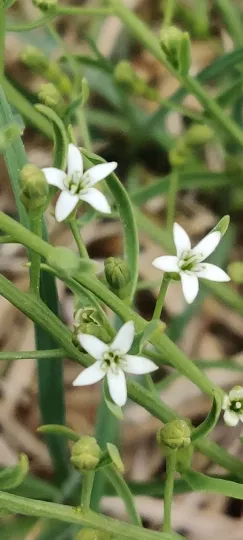
Description
Growing requirements
Thesium rostratum is a perennial herbaceous plant belonging to the Santalaceae family. Botanically, it is classified as a root hemiparasite, meaning it derives part of its nutritional requirements from neighboring plants.
The plant employs specialized root structures called haustoria to tap into the vascular systems of host plants. This adaptation allows the species to thrive in nutrient-poor environments while maintaining active chlorophyll production for photosynthesis.
The natural distribution of this species is primarily concentrated in the mountainous and hilly regions of Central and Southern Europe. It prefers open landscapes, dry grasslands, and rocky slopes with exposed limestone subsoils.
Regarding edaphic requirements, the plant is highly sensitive to soil conditions. It thrives in well-drained, porous soils with a neutral to alkaline pH, where calcium content is sufficient to support both the host vegetation and its own physiological processes.
Successful maintenance of populations depends on the presence of suitable host flora. As a hemiparasite, its life cycle is inextricably linked to the surrounding ecosystem, making it a sensitive indicator of habitat stability and traditional grassland management.