
Thesium chinense
Thesium chinense
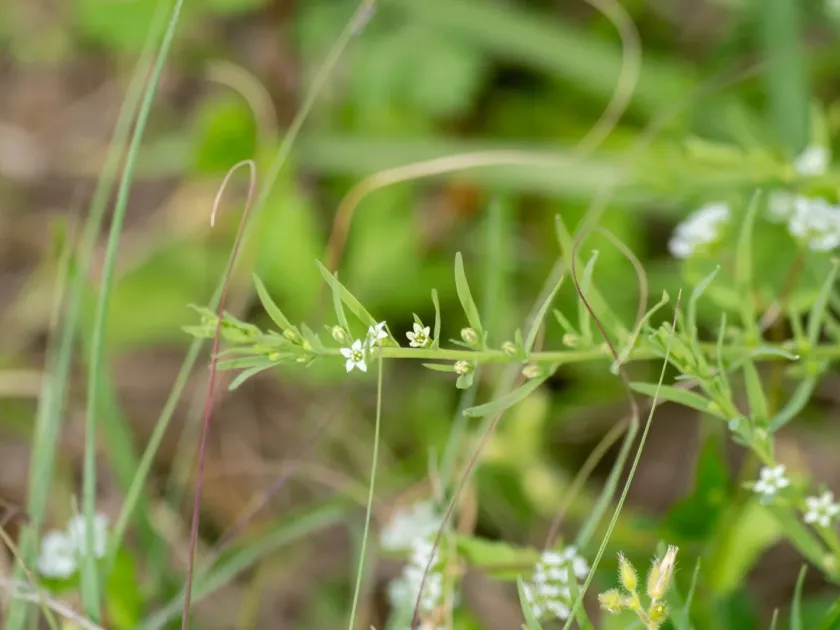
Description
Sowing dates
Thesium chinense is a hemiparasitic plant that requires a specific host plant to thrive. Sowing must be strategically timed to match the early development stage of the target host species.
Seeds are sown on the soil surface or slightly covered, ensuring close proximity to the roots of the host plant to facilitate the immediate formation of haustoria.
Spring sowing is preferred, as rising soil temperatures and moisture levels stimulate both the germination of the parasite and the active growth of the root system of the host.
Successful establishment relies on the parasite's ability to locate and penetrate the root tissues of its host quickly after initial germination.
Maintaining a consistent moisture level during the first weeks after sowing is essential for the fragile seedlings to establish their first connection with the host.
Growing requirements
Belonging to the Santalaceae family, Thesium chinense is adapted to temperate climates across East Asia, where it utilizes host plants to supplement its mineral and water intake.
The culture thrives in well-drained, sandy-loam soils with a neutral pH, which allows for optimal root development and minimal competition from aggressive weeds.
It requires open, sunny environments where it can perform photosynthesis while relying on host tissues for additional nutrients during drought or nutrient-deficient periods.
Temperature management is important, as extreme shifts can disrupt the sensitive symbiotic relationship between the parasite and its host, leading to stunted growth.
Sustainable agronomy for this species involves ensuring high biodiversity in the field, allowing the plant to choose compatible hosts for long-term health.
Main diseases and pests
The primary threat to Thesium chinense is the degradation of the host plant's health, which can lead to the rapid decline of the entire parasitic population.
Fungal diseases are a significant risk factor, especially under conditions of poor soil aeration or excess surface moisture, which promote decay of the root network.
Root-knot nematodes pose a persistent challenge by compromising the root integrity of both the parasite and the host, effectively cutting off essential nutrient transfer.
Pest management should focus on preserving the overall ecosystem within the field, avoiding broad-spectrum pesticides that might harm the host plant species.
Prevention of soil-borne diseases through appropriate crop rotation and careful monitoring of the host's vigor is essential for large-scale management.
Harvesting
The harvesting process targets the aerial biomass of the plant, typically conducted during the late vegetative stage when secondary metabolite concentration is highest.
Manual harvesting is common, ensuring that the root connections to the host plants are not disrupted, which allows for continued regrowth in subsequent seasons.
After collection, the plant material must be dried immediately in shaded, ventilated conditions to stabilize chemical compounds and prevent spoilage.
Quality control during harvest includes removing extraneous organic matter to maintain the purity required for industrial or medicinal processing.
Final storage involves placing the dried biomass in breathable, moisture-resistant containers, keeping it away from light to preserve its pharmacological integrity.