
Thesium linophyllon
Thesium linophyllon
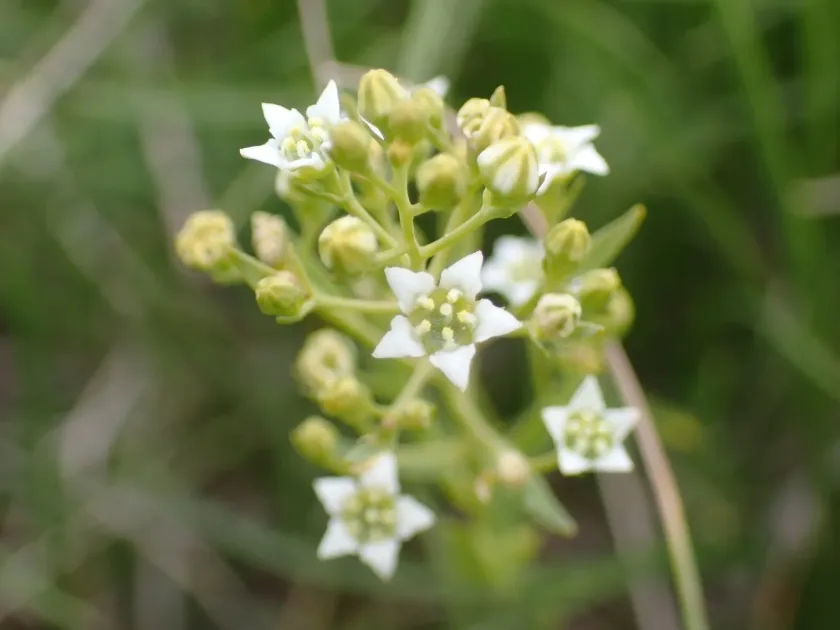
Description
Growing requirements
Thesium linophyllon is a perennial herbaceous plant belonging to the Santalaceae family. It is known for its hemiparasitic nature, which allows it to thrive by attaching its roots to those of other plants to extract essential nutrients.
The plant features slender, erect, or ascending stems covered with narrow, linear leaves. Its root system is equipped with specialized organs called haustoria, which penetrate the host plant's tissues, establishing a physiological connection for water and mineral intake.
The native range of this species covers parts of Central and Southern Europe. It predominantly inhabits open grasslands, stony hillsides, and calcareous meadows where environmental conditions provide sufficient host species for its survival.
It demands specific soil conditions, thriving best in well-drained, alkaline, or limestone-rich soils. Due to its biological dependency on host plants, it cannot be cultivated using standard agricultural techniques as a primary crop.
Economically, this species is not used in industrial agriculture. Its value lies primarily in ecological preservation, as it acts as a unique component of stable steppe and meadow plant communities.
Main diseases and pests
The primary threats to Thesium linophyllon include the destruction of its natural habitats due to land development and changes in soil chemistry. Excessive moisture in the soil can encourage fungal diseases that rot the root system.
While the plant is not widely considered an agricultural crop, it is susceptible to various phytophagous insects that feed on its foliage. Changes in local biodiversity can also limit the number of pollinators available for successful reproduction.
The disappearance of appropriate host plant species is the most significant threat to its survival. Agricultural intensification, such as deep plowing and chemical fertilization, disrupts the delicate symbiotic relationships necessary for the plant's health.
Competition from aggressive, shade-producing weed species can stifle the growth of this light-loving plant. Once shaded, the plant loses its vitality and fails to reach the flowering stage.
Conservation strategies focus on protecting undisturbed meadowlands and maintaining natural ecological processes, which are essential for the long-term viability of this sensitive hemiparasitic species.