
Italian bastard toadflax
Thesium italicum
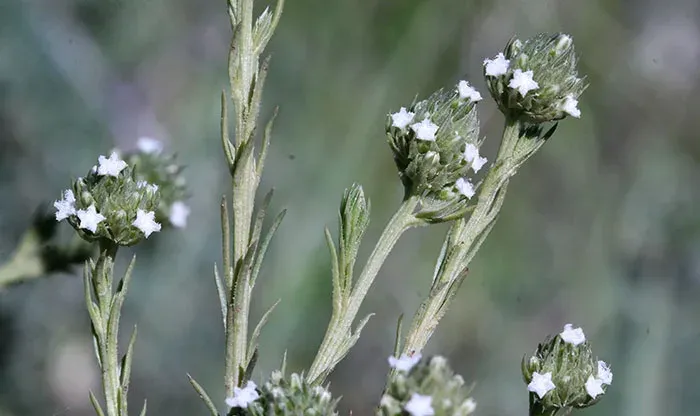
Description
Sowing dates
Thesium italicum, commonly known as Italian bastard toadflax, belongs to the Santalaceae family and is characterized by its hemiparasitic nature. Successful propagation in an agricultural setting requires careful planning, as the plant relies on establishing a connection with a host plant's root system.
For sowing purposes, autumn is the ideal season. The seeds require a period of stratification to break dormancy, which is most effectively achieved through natural exposure to winter temperatures. Seeds should be sown at a shallow depth, barely covered by soil, to ensure proper germination.
A critical requirement during the initial growth phase is the proximity of potential host plants, such as perennial grasses or legumes. Once the seedlings emerge, their roots must locate and penetrate the host's roots using haustoria to secure a source of water and essential mineral nutrients.
Field preparation involves establishing a stable stand of host plants prior to or concurrently with the sowing of Thesium italicum. This ensures that the parasite can quickly form the necessary physiological links upon germination, preventing seedling failure.
Maintaining a balanced plant density is essential for the long-term success of the culture. Overcrowding can lead to excessive competition, while insufficient host density will result in high seedling mortality. The goal is to create a sustainable, semi-natural environment that mimics the plant's native habitat.
Growing requirements
The plant thrives in well-lit, open environments with plenty of direct sunlight. It is highly drought-tolerant, making it a potentially valuable component for restoration ecology or low-input forage systems on marginal lands that do not support high-demand crops.
Italian bastard toadflax prefers well-drained soils, including calcareous, sandy, or rocky substrates. It is sensitive to waterlogging, which can cause root decay and the breakdown of the delicate haustorial connections with the host plant. Proper drainage is therefore a non-negotiable requirement.
Regarding climate, the plant is adaptable to various temperate conditions. It exhibits high resilience to both summer heat and winter frosts. It does not require intensive irrigation, as it draws moisture effectively through its host connections, provided the host itself remains healthy and functional.
Agrotechnical management is relatively minimal. Fertilizer application should be avoided, particularly nitrogen, as high fertility levels can suppress the hemiparasitic relationship. The focus remains on maintaining the health and vigor of the host plant population within the field.
Monitoring the soil's pH is recommended to ensure it aligns with the preferred range of the chosen host species. By optimizing the environment for the host, the agronomist inadvertently ensures the ideal growing conditions for the Thesium italicum, reducing the need for direct intervention.
Main diseases and pests
Diseases affecting Thesium italicum are often secondary, stemming from the poor health of the associated host species. When host plants are stressed by pathogens, the parasite loses its primary source of nutrients, leading to yellowing or stunted development of the Italian bastard toadflax.
Pests such as leaf beetles and aphids can cause damage during the active growing season. While the plant possesses natural defenses, extreme infestations can reduce seed production, which is a major concern for those looking to collect propagating material for future seasons.
- Fungal leaf spots during high humidity periods.
- Aphid infestations on flowering stalks.
- Root rot due to excessive irrigation.
- Host plant decline impacting parasite survival.
Integrated pest management should focus on the entire plant community. Chemical sprays should be applied with extreme caution, as the chemicals could have unknown toxic effects on the haustorial links between the parasite and its host, potentially disrupting the entire feeding system.
Preventive measures include ensuring adequate air circulation and avoiding the use of contaminated seeds. Regular field inspections are necessary to detect any early signs of stress, allowing for targeted management of the host vegetation before the parasite's growth is compromised.