
Bastard toadflax
Thesium humifusum
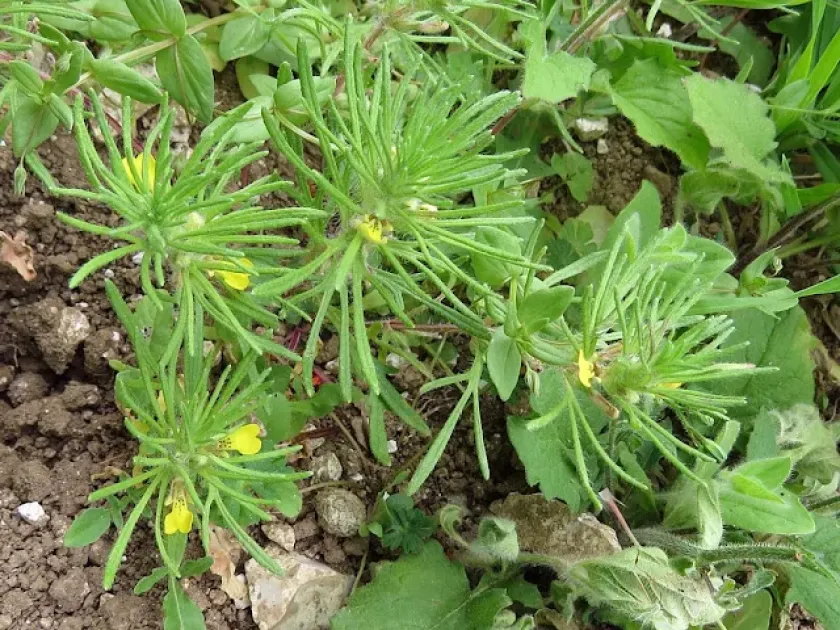
Description
Growing requirements
Bastard toadflax (Thesium humifusum) is a perennial herbaceous plant belonging to the Santalaceae family. It is important to note that it is not a traditional agricultural crop, as it functions as a hemiparasite in natural ecosystems.
The plant is biologically characterized by the development of haustoria, which are specialized organs used to attach to the roots of other plants. Through these structures, it obtains essential water and nutrients from its host, which is a vital survival mechanism in nutrient-poor soils.
The distribution of the species is mainly linked to calcareous and chalky soils in Europe. It thrives in open, sunny habitats such as dry grasslands, where it relies on low vegetation to maintain access to sunlight and host resources.
Climatic requirements involve a preference for temperate zones with distinct dry periods. The species is highly sensitive to soil moisture changes and does not tolerate shady environments, which can quickly lead to its decline in a habitat.
In agronomic terms, this plant is considered a wild species rather than a cultivated one. Its agricultural significance is limited to its role in maintaining biodiversity within natural pasture lands or as a bioindicator of specific alkaline soil types.
Main diseases and pests
The primary threat to Bastard toadflax populations is habitat destruction and land-use change. Increased soil nitrogen levels, often resulting from fertilizers, can disrupt the plant's ability to maintain its host relationships, leading to its local extinction.
Competition from more aggressive, invasive plant species poses a constant threat. As taller plants begin to dominate an area, Thesium humifusum is often outcompeted for sunlight and space, particularly in neglected meadows.
Specific diseases affecting this species have not been the focus of major agricultural studies. Generally, it displays high resilience to pathogens common in wild flora, although leaf spot fungi may occur under prolonged wet conditions.
Insect pests typically do not reach levels that require control. While some specialized herbivores may feed on the plant, their overall impact on the plant's stability in its native environment remains negligible.
No agricultural protection or pest management programs exist for this species. Its conservation relies exclusively on preserving the integrity of its native grassland habitat and avoiding intensive chemical modifications to the land.