
Thapsia transtagana
Thapsia transtagana
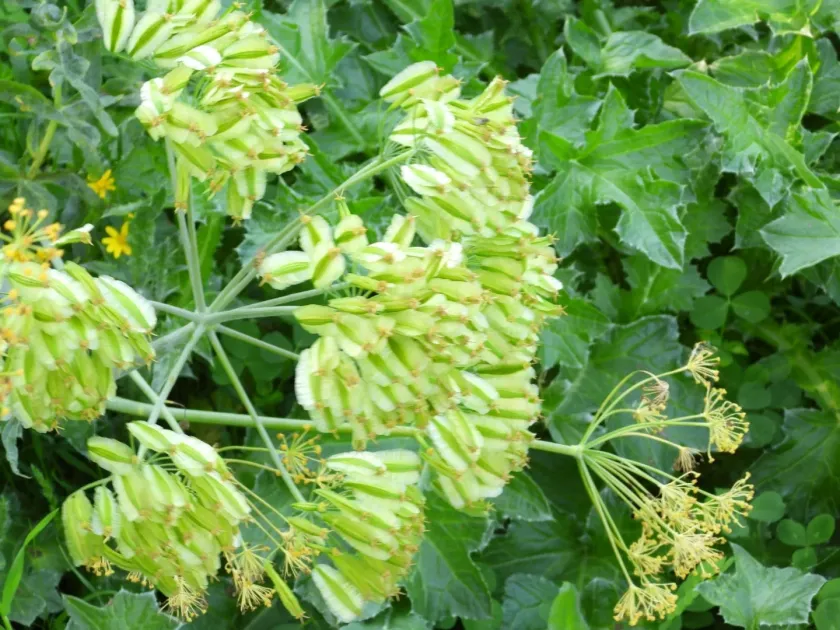
Description
Growing requirements
Thapsia transtagana is a perennial herb belonging to the Apiaceae family. It is primarily native to the Mediterranean region and parts of the Iberian Peninsula, where it has evolved to thrive in arid and semi-arid conditions.
The plant requires well-drained, sandy or gravelly soils to prevent moisture accumulation around the root system. It thrives in open, sunny environments and is highly resilient to the hot, dry climates characteristic of its natural habitat.
Botanically, it features finely divided leaves and a deep, tuberous root system. The plant produces complex secondary metabolites, including sesquiterpene lactones, which make it a significant subject for botanical and pharmaceutical research.
Agricultural management should focus on mimicking the plant's natural environment. Excessive nitrogen fertilization is not recommended, as it may compromise the concentration of active substances in the roots.
In terms of usage, the crop is primarily cultivated for its pharmacological potential. Thapsigargin, a compound extracted from the plant, is studied for its significant impact on cell signaling pathways, particularly in cancer research.
Main diseases and pests
The primary threats to Thapsia transtagana cultivation include soil-borne fungal pathogens such as Fusarium. These thrive in waterlogged conditions, making proper soil drainage the most critical preventative measure.
Pests, particularly aphids, can infest the foliage during the active growth season. These pests not only physically weaken the plant but can also serve as vectors for various viral diseases that stunt development.
Root-knot nematodes present a significant risk to productivity by damaging the primary root tissues. Using healthy, certified seeds and maintaining strict crop rotation protocols are essential strategies for mitigating this threat.
Competition from invasive weeds is especially problematic during the establishment phase. Given the plant's relatively slow initial growth rate, mechanical weeding or the use of mulching materials is strongly advised.
Environmental stressors like extreme frost or prolonged periods of stagnant air can also harm the plant. Ensuring adequate site selection with good air circulation helps to maintain the overall health of the plantation.