
Thapsia maxima
Thapsia maxima
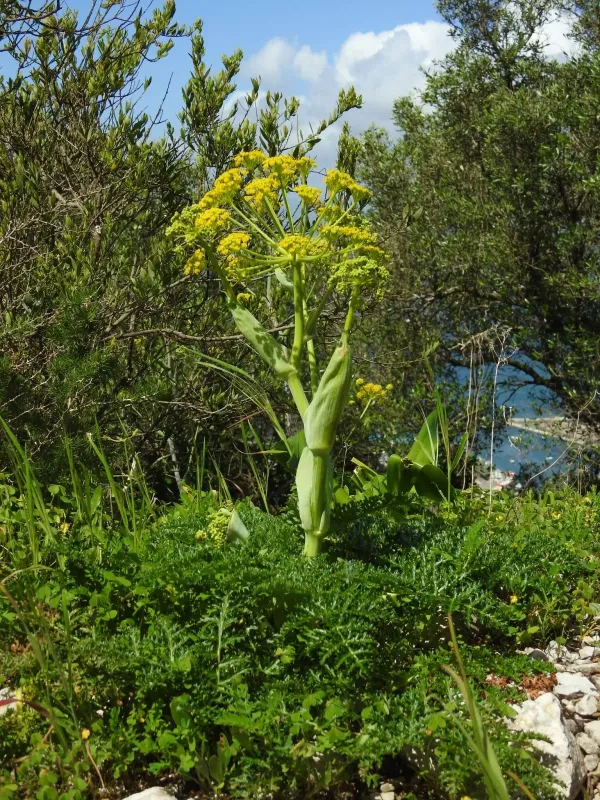
Description
Sowing dates
Sowing Thapsia maxima is best performed in late autumn to utilize natural stratification, which significantly improves the germination rates of the seeds.
The seeds should be sown in prepared seedbeds with a depth not exceeding 1.5 centimeters to ensure they receive the necessary cues for growth.
Given the slow initial growth of the seedlings, it is advisable to use a weed-free substrate to prevent competition in the early developmental stages.
Spacing should be managed to ensure each plant receives adequate sunlight, preventing etiolation during the first year of establishment.
Maintaining a steady, moderate moisture level during the first weeks after sowing is essential until the primary root system is sufficiently anchored.
Growing requirements
Thapsia maxima belongs to the Apiaceae family and is recognized for its robust perennial nature, thriving in arid and semi-arid environments.
The plant demands well-drained, porous soils; it performs exceptionally well in sandy or rocky substrates that mimic its natural wild habitat.
Sun exposure is a critical factor for successful cultivation, as the species requires high levels of irradiance to promote healthy foliage development.
The crop is highly drought-tolerant, which makes it a sustainable choice for agriculture in regions where traditional irrigation is limited or costly.
Adequate soil fertility should be maintained through organic amendments, which improve the soil structure without increasing moisture retention too drastically.
Yield
Harvesting for biomass or pharmaceutical potential is typically done after the plants have reached maturity, usually in the third or fourth year of growth.
The primary yield component is the root system, which is harvested during the dormant winter period when active compounds are most concentrated.
Proper drying techniques are required to ensure the preservation of the chemical compounds found within the roots after they have been extracted from the soil.
While the aerial parts can be utilized for research, the main commercial value remains in the root mass and its biochemical composition.
Crop management practices that focus on soil aeration and minimal disturbance lead to higher quality yields of the secondary metabolites required by industry.
Main diseases and pests
The most common threats to Thapsia maxima include fungal pathogens that exploit high humidity to infect the root crown and collar regions.
Pest management should focus on soil-borne insects that can compromise the root integrity, which is the most valuable part of the plant.
Regular monitoring for symptoms of wilting is necessary, as any sign of vascular distress often indicates an advanced stage of root system decay.
Effective management includes maintaining a clean field environment and practicing crop rotation to minimize the accumulation of soil pathogens.
Cultural practices such as mounding the soil can help improve drainage around the base of the plant, reducing the likelihood of fungal infestations.