
Thapsia gummifera
Thapsia gummifera
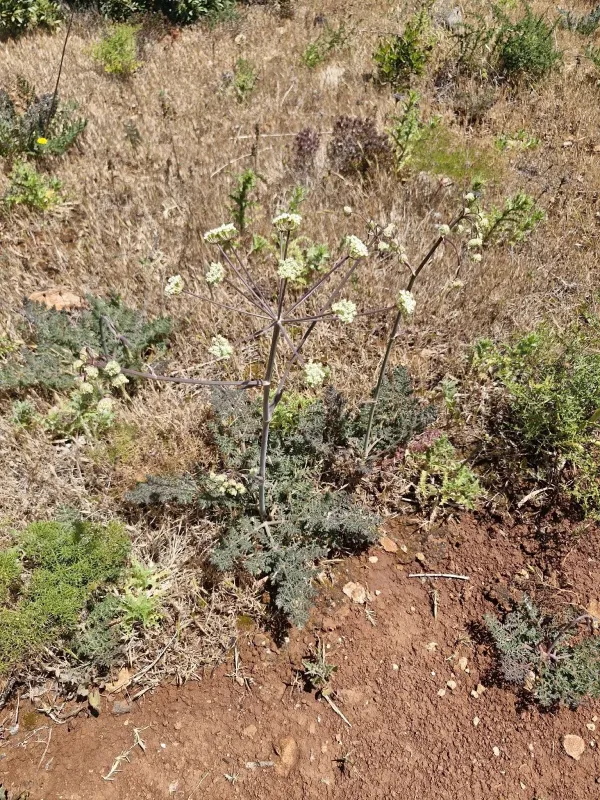
Description
Sowing dates
The sowing of Thapsia gummifera begins with the selection of high-quality seeds, which often benefit from cold stratification to improve germination rates. The ideal time for planting in open soil is early spring, ensuring that the soil is sufficiently moist and well-prepared.
Seeds are sown in furrows at a depth of 1 to 2 centimeters. Maintaining wide row spacing is critical, as the plants develop significant biomass and require ample space for the root system to expand during the first growth stage.
Pre-soaking seeds in growth-promoting solutions can significantly reduce the time to emergence. Once sown, the soil surface should be lightly compressed to ensure optimal contact between the seeds and the damp soil particles.
For commercial production, mechanical drilling equipment is recommended to maintain uniform depth and spacing. This precision simplifies subsequent field maintenance and allows for efficient weed control between rows during the early growing season.
The optimal temperature for germination ranges between +15 and +20 degrees Celsius. Growers must avoid planting in waterlogged soils, as this increases the risk of seed decay before germination occurs.
Growing requirements
Thapsia gummifera, a member of the Apiaceae family, is a sun-loving plant that requires full exposure to sunlight for optimal development. Shaded conditions lead to weak stems and a significant decrease in the accumulation of active phytochemicals.
The plant thrives in well-drained sandy loam or loamy soils with a neutral to slightly alkaline pH. Proper drainage is the most critical factor, as stagnant water is lethal to the plant’s deep, fleshy root system.
Soil texture is essential; the plant requires loose, aerated ground to allow the taproot to grow straight and healthy. Dense, clay-heavy soils often result in stunted, deformed roots that are less desirable for pharmaceutical use.
While the species is notably drought-tolerant, consistent moisture is required during the initial growth phases and the development of the leaf rosette. Over-fertilization with nitrogen should be avoided to prevent excess vegetative growth at the expense of root quality.
The crop is well-adapted to Mediterranean-type climates, characterized by hot, dry summers and mild winters. It easily survives periods of high heat, provided the root zone maintains a minimum level of structural integrity and moisture.
Yield
Yield in Thapsia gummifera is primarily measured by the total biomass of the harvested roots. The plant takes several years to reach maturity, and harvest timing is critical to ensure the roots contain the highest possible concentration of active resins.
Commercial maturity is typically reached in the third or fourth year of growth. At this stage, the root reaches its peak biological potential, maximizing the return on investment for the agricultural producer.
Yield is heavily influenced by the planting density. An appropriate spatial distribution ensures that each plant receives sufficient water and mineral nutrients, minimizing competition and promoting healthy root development.
Effective weed management significantly boosts yield, as invasive species can easily outcompete young Thapsia plants for vital soil nutrients and moisture. Regular inter-row cultivation is highly recommended.
With standardized agronomic practices, the crop provides stable yields of high-quality raw material. Careful monitoring of plant health throughout the years leading up to harvest is essential for maintaining production levels.
Main diseases and pests
Root rot is the most serious threat to Thapsia gummifera, usually triggered by improper irrigation or poor field drainage. These pathogens can destroy a harvest in a short period, making preventive drainage essential.
Pests such as the parsnip moth or other Umbelliferae-feeding insects can cause significant damage to the plant's aerial parts. Larvae bore into stems, weakening the plant and providing entry points for secondary fungal infections.
Aphid infestations on flower clusters can deplete plant energy, resulting in stunted leaf growth and decreased root storage. These pests should be addressed early to prevent broader physiological stress.
Preventive strategies include strict crop rotation, ensuring the land is not used for Apiaceae species for several consecutive years. This practice effectively breaks the life cycles of soil-borne pathogens.
When chemical control is necessary, systemic insecticides should be applied carefully. Application should be timed to avoid peak blooming periods to protect beneficial pollinators that visit the plant's flowers.
Harvesting
The harvest occurs in the autumn when the plant's aerial parts begin to senesce and yellow. This visual cue indicates that the plant has translocated its energy reserves into the root system, marking the optimal time for collection.
Mechanical harvesters or specialized ploughs are used to extract the roots from the soil. The process must be gentle to prevent root breakage, as high-quality, intact roots fetch a premium price in the medicinal market.
After extraction, roots must be washed immediately to remove soil and sorted by size. This preliminary cleaning ensures that the drying process is uniform and efficient across the entire batch.
Drying is performed in controlled environments, typically well-ventilated sheds or drying chambers. Excessive heat must be avoided to prevent the loss of volatile compounds, which are key to the plant's efficacy.
Stored raw material should be kept in a cool, dark, and dry environment. Utilizing breathable storage containers, such as natural fiber sacks, prevents the accumulation of moisture and the growth of mold during the storage period.