
Thapsia asclepium
Thapsia asclepium
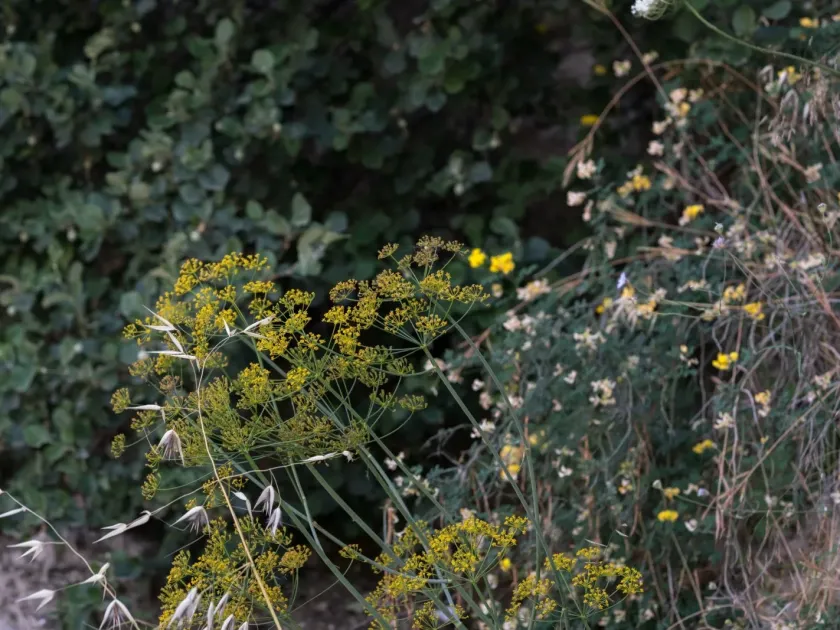
Description
Sowing dates
Sowing Thapsia asclepium is best performed in the autumn or early spring after a period of stratification. The seeds require consistent moisture levels to break dormancy, making the cool Mediterranean climate ideal for successful germination.
The soil should be prepared by ensuring excellent drainage and deep loosening to accommodate the plant's developing root system. Seeds are sown at a depth of approximately 1 to 2 centimeters in a fertile, well-draining substrate.
Spacing is a critical factor for healthy plant development, typically requiring 40 to 50 centimeters between individual plants. Adequate space ensures proper air circulation, reducing the risk of fungal infections within the dense leaf rosettes.
Seedlings emerge slowly and may appear sparse in the initial stages. Proper labeling and weed management are essential during this period to prevent the accidental removal of the emerging plants by mechanical weeding tools.
Early maintenance includes regular irrigation to establish strong root growth, which acts as a foundation for the plant's future vigor. Once established, the plants demonstrate high resilience to environmental fluctuations.
Growing requirements
Thapsia asclepium belongs to the Apiaceae family and thrives in open, sunny locations with high light intensity. It is poorly suited for shaded areas, which can hinder growth and reduce the plant's metabolic activity.
The plant prefers sandy or rocky, well-aerated soils characteristic of its native Mediterranean habitat. Soils with low water-holding capacity that drain quickly are optimal for preventing root rot during wetter periods of the year.
Climatic conditions should favor moderate temperatures, with the plant showing strong adaptation to long, dry summers once the root system is mature. Excessively humid environments can be detrimental to its growth and health.
Regarding soil chemistry, the plant prefers neutral to slightly alkaline conditions. Light organic supplementation can be beneficial during the early growth stages to support the formation of a robust, biomass-heavy plant structure.
In regions prone to severe frost, the root zone may need protection to prevent damage. Proper site selection in mountainous or hilly areas, which naturally provide better water runoff, is highly recommended for commercial cultivation.
Main diseases and pests
The most significant threat to Thapsia asclepium is root rot, which typically develops in heavy, waterlogged soils. Pathogenic fungi thrive in these conditions, leading to the decay of the plant's primary storage organ, the root.
Leaf pests, such as aphids and various chewing insects, can damage the foliage during the peak growing season, reducing the plant's photosynthetic capacity. Monitoring the plantation for early signs of infestation is crucial for effective control.
Foliar diseases, including powdery mildew and various leaf spots, may occur under conditions of high humidity and poor airflow. Managing plant density and ensuring that foliage can dry quickly after rain are effective preventative measures.
Nematodes can pose a challenge in sandy soils by damaging root hairs, which may weaken the plant's ability to absorb water and minerals. Crop rotation and maintaining soil health are essential practices to minimize nematode pressure.
Regular sanitation of the field, including the removal of dead plant material at the end of the season, helps keep the infection load low. Proactive management reduces the need for heavy pesticide intervention.
Harvesting
The harvesting of Thapsia asclepium roots usually takes place after three to four years of vegetative growth. This period ensures the highest concentration of bioactive compounds within the roots, which is vital for industrial utilization.
Harvesting is performed during the plant's dormant phase, when the aerial parts die back. Specialized equipment is used to lift the roots from the ground, ensuring they remain intact and are not damaged during the extraction process.
Once harvested, the roots must be cleaned of soil and debris immediately. Washing with cool, clean water is standard procedure, followed by a careful drying process in a shaded, well-ventilated environment to prevent overheating.
Temperature control during drying is vital; temperatures should not exceed 40 degrees Celsius to avoid the degradation of essential oils and active resins. Proper drying ensures the longevity and quality of the stored raw material.
The finished product is sorted by size and quality, then packaged in breathable, durable materials. Storage in cool, dark, and dry warehouses prevents oxidation and ensures that the raw material remains shelf-stable for transport and processing.