
Thapsia meoides
Thapsia meoides
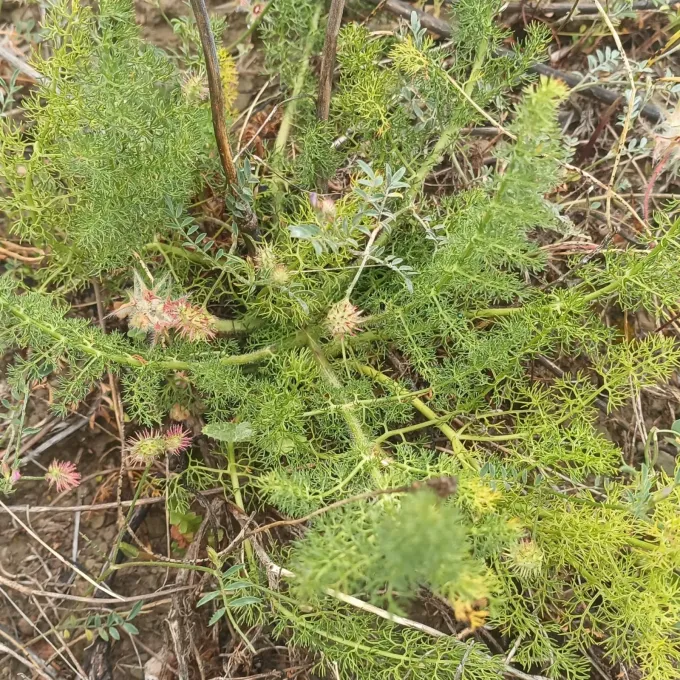
Description
Growing requirements
Thapsia meoides is a perennial herbaceous plant belonging to the Apiaceae family. Native to Mediterranean habitats, this species has evolved to survive in semi-arid environments characterized by significant seasonal variations in rainfall and intense solar exposure.
The plant demonstrates a strong preference for well-drained, nutrient-poor, and stony soils. Its morphological structure, featuring a deep taproot, is a classic adaptation for reaching moisture stored deep within the soil profile during the hot summer months.
Environmental requirements for cultivation include full sun exposure and a frost-free climate. It is essential to maintain high levels of air circulation around the canopy to mitigate the risk of pathogen accumulation, which is common in stagnant, humid environments.
Agricultural management of this species involves careful monitoring of irrigation levels. Because of its sensitivity to root rot, the soil must be allowed to dry out significantly between watering intervals, mimicking its natural ecological niche in the Mediterranean scrubland.
The primary utility of Thapsia meoides lies in the chemical composition of its root tissues, which are studied for their potential in pharmacological applications. These specialized phytochemicals require specific harvest conditions to ensure the integrity of the target compounds.