
Thapsia eliasii
Thapsia eliasii
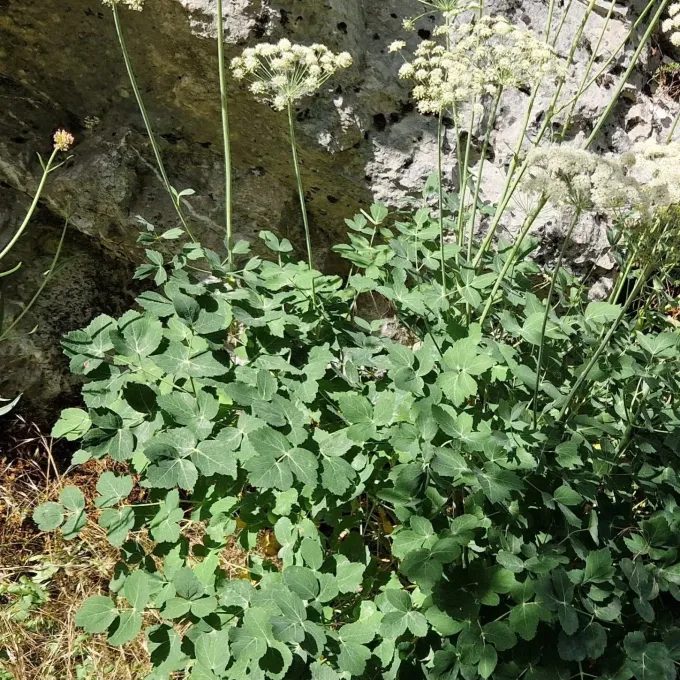
Description
Sowing dates
Thapsia eliasii, being a perennial herb, requires careful seed preparation, often involving cold stratification to overcome physiological dormancy before successful germination.
Sowing should ideally occur in late autumn, allowing the seeds to experience natural temperature fluctuations which trigger the biological mechanisms necessary for growth.
The seeds must be sown at a shallow depth in a well-draining, sandy-loam substrate to prevent seed rot and ensure proper oxygen access during the early stages of root development.
Regular monitoring of moisture levels is crucial; while the plant matures into a drought-tolerant species, the germination stage requires consistent but not excessive moisture.
Spacing between plants must be sufficient to account for the rosettes that develop, as overcrowding increases the risk of fungal infections in the humid stages of spring growth.
Growing requirements
As a member of the Apiaceae family, Thapsia eliasii is naturally adapted to limestone-rich, rocky Mediterranean soils that provide excellent drainage, which is the most critical requirement for cultivation.
This crop demands high light intensity throughout the day; any significant shade will result in stunted root growth and a drastic reduction in the plant's health and vigor.
The climate requirements reflect its Mediterranean origin, favoring mild, wet winters for vegetative growth and dry, warm summers that trigger the dormant phase.
Agronomic management involves minimal interference with the soil structure, as deep tillage can disturb the specialized root system, which is essential for nutrient storage.
Fertilization should be kept to a minimum; excessive nitrogen levels can lead to rapid, weak growth and make the plant more susceptible to both pests and physical damage.
Main diseases and pests
Root rot, caused by excessive moisture and poor soil aeration, remains the most significant threat to the survival of the crop, especially in areas with heavy rainfall.
Pests like aphids and spider mites can infest the foliage, particularly when the plants are grown in sheltered environments with insufficient ventilation or improper air circulation.
Fungal pathogens such as powdery mildew can spread quickly in conditions of high humidity, necessitating the use of preventive measures such as ensuring adequate plant spacing.
Nematode infestations can occur if the soil is not properly cleared of remnants of previous susceptible crops, making field sanitation a prerequisite for healthy development.
Weed control is mandatory, as this species competes poorly with aggressive weeds during the first year of establishment, requiring manual weeding to protect the young rosettes.