
Thapsia foetida
Thapsia foetida
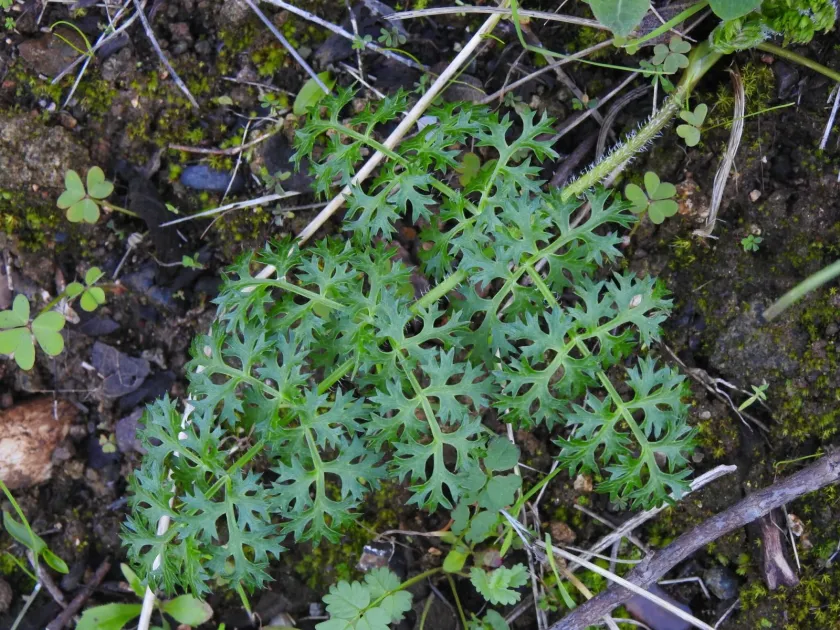
Description
Sowing dates
The sowing of Thapsia foetida seeds should ideally take place in the autumn, allowing the seeds to undergo natural stratification in the soil, which is essential for uniform spring emergence.
If spring sowing is planned, ensure the soil temperature reaches at least 10-12 degrees Celsius, providing the necessary warmth for the germination process to begin effectively.
Seeds should be buried at a depth of 1.5 to 2 centimeters, and it is crucial to keep the topsoil consistently moist without causing it to become waterlogged or crusted over.
Due to the robust growth habit of the plant, maintain a row spacing of 45 to 60 centimeters, which ensures sufficient space for the root system and prevents competition for resources.
When starting in containers, use deep trays to accommodate the taproot growth, and minimize transplanting shock by moving seedlings to the field as soon as they are sturdy enough.
Growing requirements
Thapsia foetida is a perennial member of the Apiaceae family, well-adapted to rocky, Mediterranean-type environments and characterized by its distinct, pungent aroma.
The species thrives in well-drained, lime-rich soils and is highly intolerant of waterlogged conditions, which can lead to rapid decay of its substantial taproot.
Full sun exposure is a non-negotiable requirement for this crop, as it promotes healthy tissue development and ensures the plant's natural essential oil production remains optimal.
The plant is highly drought-tolerant, utilizing its deep taproot to draw water from deep beneath the soil surface, making it suitable for regions with hot, dry summers.
Fertilization should be managed carefully, favoring phosphorus and potassium to strengthen the plant's architecture and improve its tolerance to abiotic stresses.
Main diseases and pests
Fungal pathogens represent the most significant threat to Thapsia foetida, particularly those causing root and crown rots when drainage is poor or humidity levels remain high.
Pests such as aphids and specific moth larvae can cause damage to the foliage and flower stalks, potentially hindering the overall growth and quality of the medicinal harvest.
Integrated pest management strategies, including the use of pheromone traps and horticultural oils, can help manage insect populations without harming the plant's development.
Preventative measures are essential, such as avoiding high-density plantings and ensuring sufficient airflow around the base of the plant to reduce the risk of pathogen outbreaks.
Implementing a strict crop rotation cycle of at least 4-5 years is recommended to break the life cycle of soil-borne pathogens that target plants in the Apiaceae family.