
Thapsia garganica
Thapsia garganica
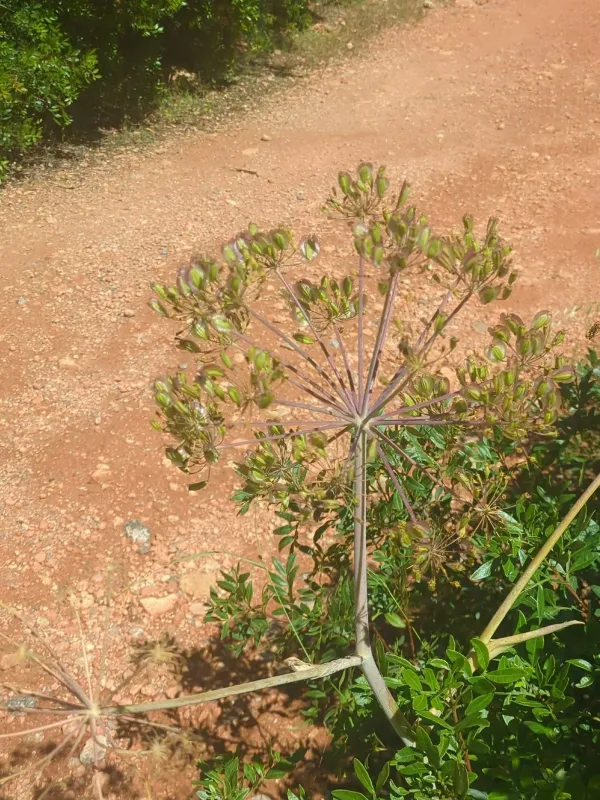
Description
Sowing dates
Thapsia garganica, a member of the Apiaceae family, is a perennial herbaceous plant. Sowing is typically performed in the autumn, as seeds require a period of stratification to germinate successfully when spring temperatures arrive.
Soil preparation requires deep plowing because the plant develops a robust, deep taproot system. Seeds are sown at a depth of 1 to 2 centimeters, and maintaining consistent soil moisture is crucial during the initial stages of germination.
In commercial settings, row sowing is standard, with spacing of 50–70 centimeters between rows. This spacing allows sufficient room for the plant to develop its expansive leaf rosette and ensures adequate aeration throughout the field.
Vegetative propagation via root division is another method, conducted during the dormant season. This technique helps maintain genetic uniformity and provides a higher survival rate compared to growing from seed in some climates.
Thinning is an essential practice shortly after emergence. Removing excess seedlings prevents competition for nutrients and space, ensuring that the remaining plants can develop optimally over their multi-year growth cycle.
Growing requirements
As a plant native to Mediterranean regions, Thapsia garganica thrives in environments with high light intensity. It requires a sunny, open location to ensure proper metabolic activity and the production of desired phytochemicals.
The plant prefers well-drained, loose, and slightly alkaline soils. It is highly susceptible to root rot if grown in heavy, clay-rich soils that hold excess water, making soil structure a primary consideration for farmers.
Thapsia is remarkably drought-tolerant once established. It is well-suited for cultivation in arid or semi-arid climates, where it can be grown with minimal irrigation, provided the soil remains free of waterlogging.
Temperatures should be mild during the primary growth phase. While it can withstand moderate winter temperatures, it is advisable to protect plants from extreme cold, which could damage the crowns or young roots.
Fertilization should be managed carefully, prioritizing phosphorus and potassium to strengthen the root system. Excessive nitrogen fertilization should be avoided as it may promote overly lush foliage at the expense of root quality.
Yield
The yield of Thapsia garganica is primarily measured by the volume and quality of the dried roots. Commercial harvest is generally viable starting from the third or fourth year of growth, once the concentration of bioactive compounds peaks.
The economic yield depends heavily on site selection and maintenance of optimal planting density. Efficient cultivation practices result in consistent harvests that meet the rigorous standards required by the pharmaceutical industry.
Success is defined by the levels of thapsigargin present in the root tissues. Modern farmers often utilize analytical laboratory testing to determine the precise timing of harvest to maximize the concentration of these valuable metabolites.
Yield stability is strongly influenced by the prevention of fungal pathogens. A healthy, stress-free plant produces higher concentrations of secondary metabolites, which are essential for its medicinal and commercial applications.
As a niche medicinal crop, Thapsia garganica commands specific market demand. High-quality harvests that adhere to organic or low-input agricultural standards often fetch premium prices in the global botanical market.
Main diseases and pests
Fungal diseases are the primary threats to Thapsia production, particularly those targeting the root system. Improving soil drainage is the most effective preventative measure against root decay caused by excess moisture.
Common agricultural pests, including aphids or various sap-sucking insects, may occasionally infest the foliage. Regular monitoring allows for prompt intervention using integrated pest management techniques, avoiding harsh chemical treatments.
Weed control is mandatory, especially during the first year of establishment. Invasive weeds can easily outcompete young Thapsia plants for sunlight and space, significantly reducing the vigor and final yield of the crop.
Soil-borne pathogens can impact germination success. Using certified seed and implementing proper pre-planting soil treatment are standard procedures to ensure healthy crop establishment from the very beginning.
Maintaining ecological balance within the farm through the use of natural predators or organic protection methods ensures that the final harvest remains clean and suitable for high-end pharmaceutical extraction processes.
Harvesting
The harvest of Thapsia garganica roots is performed at the end of the growing season, typically when the foliage begins to yellow and wither. This indicates the plant has shifted its resources into its storage organs.
Mechanical harvesting requires specialized equipment capable of reaching deep into the soil to extract the taproot without damage. For smaller-scale producers, manual digging remains an effective method for minimizing root breakage.
Post-harvest, roots must be washed immediately to remove soil and then dried under controlled conditions. Gentle, temperature-controlled drying is essential to prevent the chemical breakdown of the sensitive compounds inside.
Storage must be carried out in a cool, dark, and well-ventilated warehouse. Exposure to direct sunlight or high humidity can significantly degrade the quality of the raw material, making proper packaging a priority.
If seeds are the intended harvest, they should be collected as soon as they reach maturity on the flower stalks. Proper cleaning and storage of seeds in airtight, cool containers will preserve their viability for the next season.