
Thapsia minor
Thapsia minor
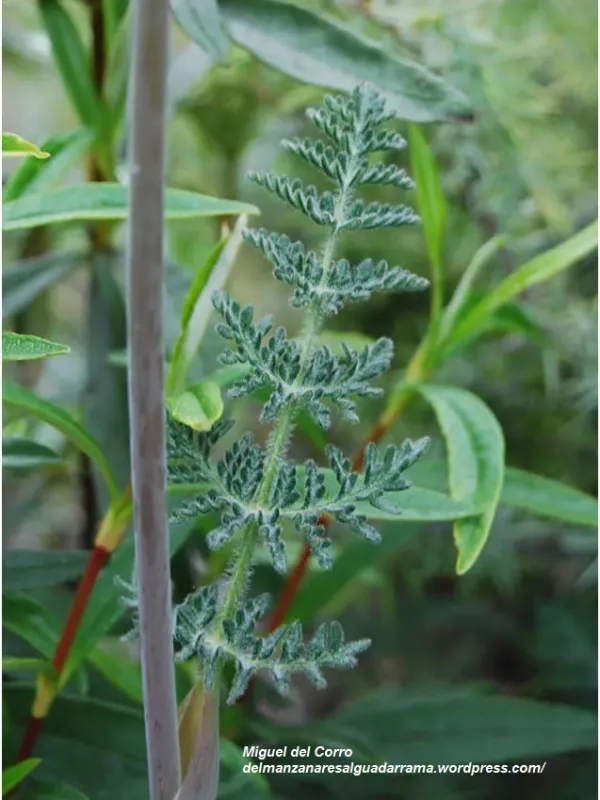
Description
Sowing dates
The cultivation of Thapsia minor begins with seed sowing, which often requires a period of cold stratification to overcome natural seed dormancy. Sowing in late autumn is considered optimal, as it allows seeds to naturally adjust to environmental conditions over the winter months.
If spring sowing is preferred, seeds should undergo a cold treatment at temperatures between 0 and 5 degrees Celsius for about four to six weeks. Seeds should be planted at a shallow depth of 1–2 centimeters, ensuring sufficient moisture for successful germination.
Standard spacing for this crop involves row-to-row distances of 45 to 60 centimeters. This provides enough space for root development and facilitates mechanical weed control, which is essential during the plant's early growth stages.
To encourage uniform germination, beds should be covered with breathable horticultural fleece or a thin layer of mulch. Consistent moisture is vital during the initial weeks, though waterlogging must be avoided at all costs to prevent seed rot.
Thinning is performed once seedlings emerge, leaving approximately 5–8 plants per square meter. This density ensures that each plant receives adequate nutrients and light, promoting a healthy growth habit throughout the vegetative cycle.
Growing requirements
Thapsia minor belongs to the Apiaceae family and thrives in environments typical of Mediterranean climates. The plant is highly light-demanding and performs best in open locations with full sun exposure throughout the growing season.
Soil requirements are relatively specific: the plant prefers well-drained, sandy or loamy soils with a neutral pH level. It is highly sensitive to damp soil conditions, so planting on raised beds or sloped ground is highly recommended to improve natural drainage.
While the plant tolerates varying conditions, it performs best in regions with mild winters and dry summers. In colder climates, protective measures or greenhouse cultivation may be necessary to prevent frost damage to the roots, which can be fatal to young plants.
Good agricultural practice for Thapsia minor involves regular weeding, as the crop competes poorly with aggressive weeds. Balanced fertilization, focusing on potassium to strengthen the root system, can significantly improve crop health and resilience.
Watering should be managed carefully, providing only what is necessary to prevent extreme drought. Over-watering is the primary cause of poor plant performance, so monitoring soil moisture levels is a critical task for any grower.
Yield
Yield estimation for Thapsia minor is based on the weight of the harvested root, which reaches its commercial maturity during the second or third year of growth. It is a slow-growing crop that requires long-term commitment from the farmer.
Under optimal conditions, the yield can range from 1.5 to 3 tonnes of dry root per hectare. Factors such as soil structure, consistent nutrient availability, and effective weed management play a significant role in achieving these targets.
The pharmacological value of the roots, which is the main objective of cultivation, increases with plant maturity. Harvesting at the right time ensures that the concentration of secondary metabolites is high enough to meet industrial standards.
Agronomic strategies to boost yield include the removal of flowering stems in the second year, which redirects the plant's energy toward root biomass accumulation. Proper aeration through periodic inter-row cultivation also supports faster root expansion.
Harvesting requires precision machinery to minimize root breakage. A deep-digging approach is necessary to extract the entire root system without causing damage that could lead to post-harvest decay during storage.
Main diseases and pests
Root rot is the most common threat to Thapsia minor, primarily caused by fungal pathogens when plants are grown in poorly drained soil. Maintaining an airy, dry environment is the most effective preventative measure against these diseases.
Soil-dwelling pests like wireworms and chafer beetle larvae pose a significant threat by damaging the taproots. Integrated pest management, including pre-planting soil treatment, is necessary to mitigate the risks of severe infestation.
Foliage-feeding insects, such as aphids, can weaken the plant and serve as vectors for viral infections. Regular field inspections allow for early detection, enabling the use of soft interventions before an infestation spreads across the field.
Strict crop rotation is essential, and farmers should avoid planting Thapsia minor after other Apiaceae species like carrots or fennel. This practice prevents the build-up of host-specific pathogens that can survive in the soil for years.
Biological monitoring is a continuous process throughout the season. Upon detecting localized symptoms, growers must act quickly to remove and destroy affected plant material to maintain the overall health of the crop plantation.
Harvesting
Harvesting typically occurs in autumn, when the aerial parts of the plant begin to wither and dry. This phase indicates that the plant has sequestered its vital nutrients back into the roots, maximizing their quality.
The process begins with removing the dry tops, followed by mechanized or manual excavation of the roots at depths of 30–40 centimeters. It is crucial to perform this task in dry weather conditions to avoid soil clumping on the raw product.
Once extracted, roots must be washed thoroughly and sorted to remove any damaged or decayed specimens. Quality control at this stage is vital to ensure that only healthy, high-grade roots enter the drying process.
Drying must be conducted in clean, ventilated environments or industrial dryers at temperatures strictly below 45 degrees Celsius. Excessive heat can degrade active compounds, rendering the harvest less effective for its intended industrial use.
Proper storage involves keeping the dried roots in dry, cool, and dark conditions, away from pests and moisture. Well-stored roots can maintain their properties for up to two years, ensuring supply stability for pharmaceutical manufacturers.