
Thapsia tenuifolia
Thapsia tenuifolia
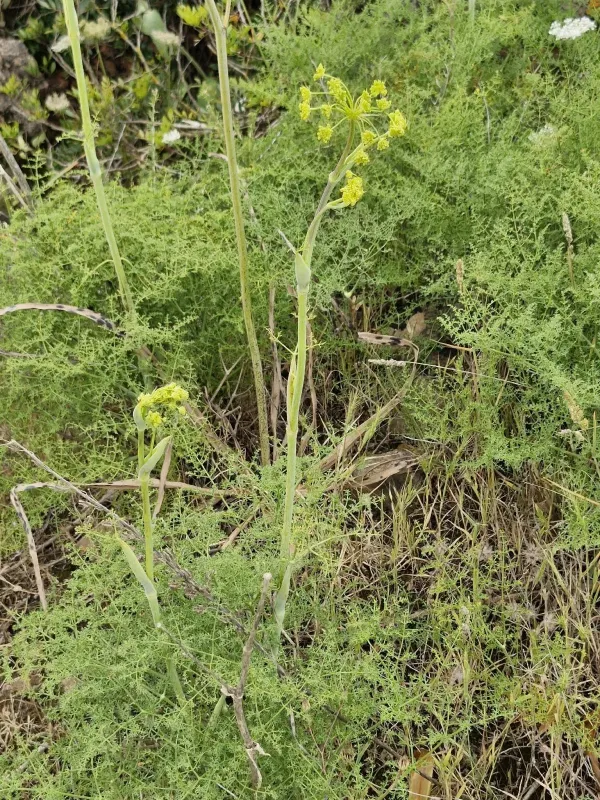
Description
Growing requirements
Thapsia tenuifolia is a perennial herbaceous plant belonging to the Apiaceae family. It is native to the Mediterranean basin, where it thrives in environments characterized by dry summers and mild winters, exhibiting high adaptation to xeric habitats.
The plant requires well-drained, sandy, or rocky soils to prevent root rot, which is the most common cause of crop failure. It thrives in locations with full sun exposure, which is essential for its optimal physiological development and accumulation of secondary metabolites.
Soil nutrient levels should be moderate; excessive fertilization can lead to succulent growth that is more susceptible to disease and winter damage. The root system is deep, allowing the plant to tolerate long periods of drought once it is established in the field.
Agricultural management should prioritize good air circulation around the plants to reduce moisture accumulation on the foliage. Planting in rows with adequate spacing is highly recommended for commercial production to ensure ease of maintenance and disease monitoring.
The economic value of this species lies in its pharmacological potential, particularly its ability to synthesize specific terpenes. As research progresses, the demand for high-quality raw material from cultivated plots is expected to grow.
Main diseases and pests
Root rot caused by Oomycetes and various soil-borne fungi is the primary threat to Thapsia tenuifolia. Excess water remains the biggest challenge for growers, as the plant has very low tolerance for waterlogged conditions.
Insects like aphids and specific lepidopteran larvae can damage the foliage during the growing season. Integrated pest management, focusing on biological controls and periodic scouting, is more effective than the aggressive use of chemical pesticides.
Weed control is essential during the initial growth phases, as the plant is a slow starter. Manual weeding or careful mechanical cultivation around the base of the plant is necessary to prevent competition for sunlight and nutrients.
Powdery mildew is a risk factor during humid periods or in areas with poor ventilation. Maintaining a dry microclimate around the canopy and removing any debris from the field significantly reduces the risk of fungal spread.
Crop rotation is essential to prevent the buildup of soil-borne pathogens. Avoid planting Thapsia on land previously used for other Apiaceae species, as they may share similar vulnerabilities to diseases like Sclerotinia.