
Thapsia nitida
Thapsia nitida
Description
Growing requirements
Thapsia nitida is a perennial herbaceous plant belonging to the Apiaceae family, native to the Iberian Peninsula. It is typically found in limestone-rich mountainous regions, where it has evolved to thrive in harsh, rocky environments with minimal soil development.
The cultivation of this crop requires strict adherence to soil moisture management, as it is highly susceptible to root rot if the substrate remains saturated. Well-drained, porous soils that mimic the natural calcareous conditions of its habitat are essential for the long-term vitality of the plant.
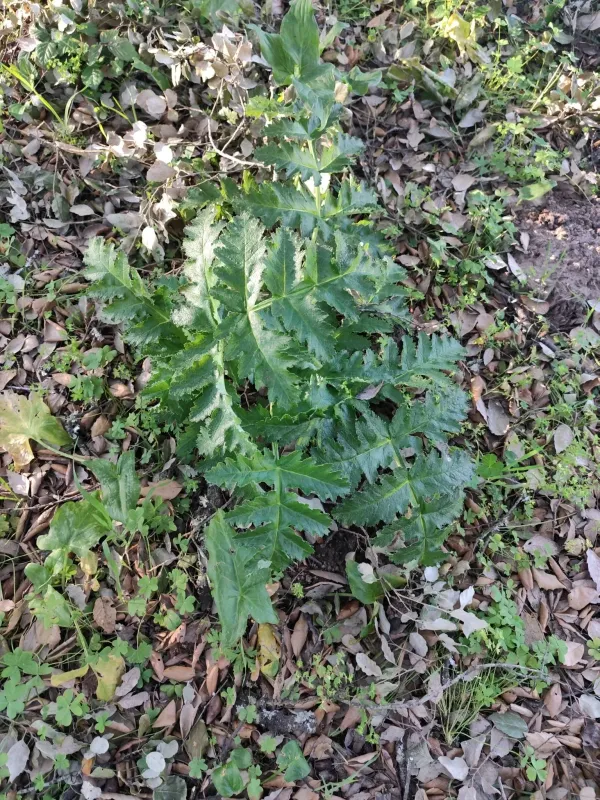
Botanically, the plant is characterized by a basal rosette of shiny, deeply lobed leaves and complex umbel inflorescences composed of numerous small, yellow flowers. These structures are adapted for Mediterranean pollination cycles, ensuring successful reproduction despite fluctuating climate patterns.
Regarding climatic requirements, Thapsia nitida demands high solar exposure and is well-adapted to the intense heat of summer. It is considered a drought-tolerant species, utilizing its robust root system to access deep moisture reserves in stony terrains where other agricultural crops would struggle to survive.
The economic value of this species lies primarily in its potential as a source of pharmacologically active metabolites. Researchers have focused on the chemical profile of the plant, assessing its role as a botanical asset for sustainable extraction of medicinal compounds rather than traditional forage or food crop applications.