
Thapsia nestleri
Thapsia nestleri
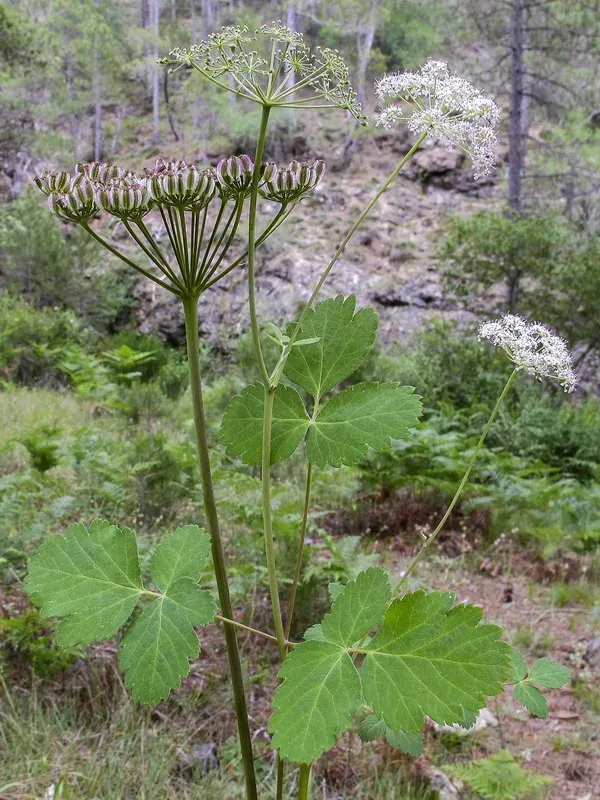
Description
Sowing dates
Sowing the seeds of this crop is primarily recommended in the autumn, before winter, which provides natural stratification of the seed material in the soil. Spring sowing is possible provided the seeds are cold-stratified for several weeks to improve germination rates.
To achieve optimal plant density, row spacing of 45–60 centimeters should be maintained. The sowing depth in light sandy loam soils should be 1.5–2 centimeters, which is critical for the germination of this species.
Thapsia seedlings appear unevenly, so it is important to maintain stable substrate moisture during the first weeks after sowing. Initial thinning is conducted at the two-to-three leaf stage to ensure adequate feeding area for the developing plants.
Special attention should be paid to soil preparation before sowing; the soil must be deep-plowed and cleared of perennial weeds. The crop is sensitive to topsoil compaction, which hinders root system development.
When using a seedling method, plants are transplanted into open ground in the second half of spring, once the threat of night frosts that could damage young leaf blades has passed.
Growing requirements
Thapsia nestleri prefers open, well-lit areas with direct sunlight, as shade leads to shoot elongation and reduced accumulation of bioactive substances. The plant is classified as drought-tolerant and handles excessive moisture poorly.
Loose, permeable calcareous soils with a neutral or slightly alkaline pH are ideal for cultivation. Heavy clay soils can lead to root rot during the dormant winter period.
The regional temperature regime should correspond to a moderate Mediterranean type. The culture shows moderate frost resistance and requires protection in regions with snowless winters and sharp temperature fluctuations.
Mineral fertilizer application should be moderate; excess nitrogen promotes excessive vegetative growth at the expense of storage organ formation. Applying phosphorus-potassium formulations at the beginning of the budding phase is considered optimal.
The plant responds well to soil aeration, so regular weeding and loosening of inter-row spaces is an essential part of agricultural care for the crops.
Main diseases and pests
The primary threat to the crop is fungal root diseases caused by moisture stagnation in the soil. When the first signs of root rot appear, irrigation must be reduced and soil loosening should be performed.
In high-humidity conditions, plants may be affected by powdery mildew, which appears as a whitish coating on the leaves. Prevention consists of ensuring sufficient ventilation between plants.
Pests such as aphids and spider mites can damage young shoots during dry periods. If mass infestations occur, biological insecticides or botanical extracts should be used.
Seeds and seedlings often suffer from soil-borne pests, making pre-sowing treatment of seeds or soil with specialized protective agents an effective risk mitigation method.
It is necessary to control weed populations, which can act as reservoirs for viruses transmitted by insect pests to the cultivated Thapsia plants.