
Tephroseris takedana
Tephroseris takedana
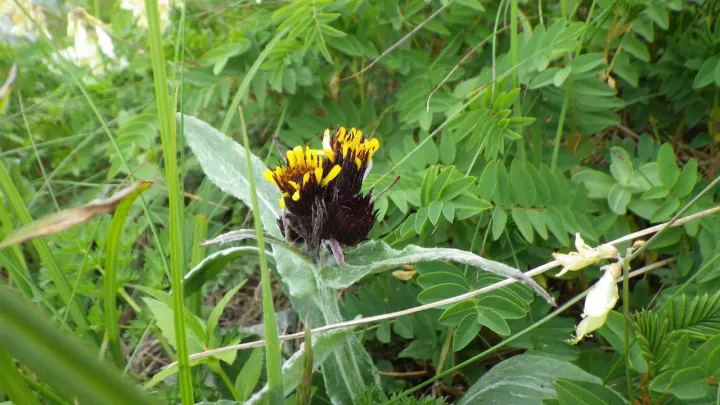
Description
Growing requirements
Tephroseris takedana is a member of the Asteraceae family. This perennial herb is primarily native to the mountainous regions of Japan, thriving in specific alpine ecological niches that define its biological profile.
The plant features a distinct morphological structure, typically possessing a basal rosette of leaves and pubescent stems. These botanical adaptations help the plant survive in cold, windy environments, protecting its internal tissues from moisture loss and thermal stress.
Cultivation requirements involve providing soil that mimics high-altitude conditions. Ideally, the substrate should be gritty, well-draining, and slightly acidic to neutral. High organic matter content is less important than excellent aeration of the root zone.
Regarding climate, the species prefers cool temperatures and high humidity levels typical of mountain ranges. It struggles in regions with high summer heat or prolonged drought, requiring shelter during the hottest parts of the day if cultivated at lower altitudes.
The agricultural usage of this plant is currently niche. It is mainly cultivated in specialized botanical gardens or used in hybridization programs to introduce hardiness traits into more commercial ornamental varieties, highlighting its importance for genetic diversity.