
Flame Groundsel
Tephroseris flammea
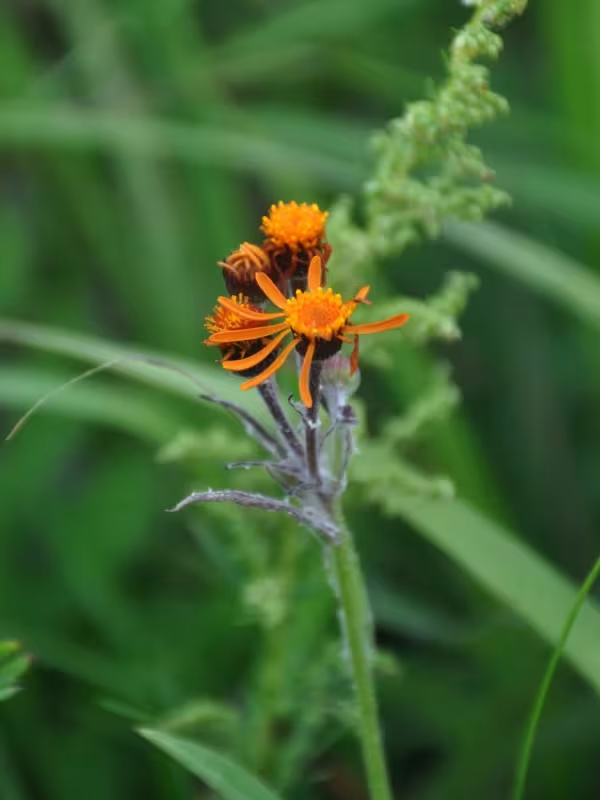
Description
Sowing dates
Sowing of Flame Groundsel is typically performed in early spring when soil temperatures reach 10-12 degrees Celsius. This timing ensures that the seeds germinate effectively and seedlings gain enough strength before the summer heat.
To improve germination rates, agronomic practice suggests a short cold stratification period of about two weeks. This simple technique significantly enhances the vigor and uniformity of seedlings emerging on the field.
Seeds should be sown at a shallow depth of approximately 0.5 to 1 centimeter. Due to the small size of the seeds, it is critical to ensure a fine, level seedbed to prevent them from being buried too deep for successful emergence.
In field production, seeds are usually sown in rows with spacing of 30-40 centimeters between them. This spacing facilitates easier mechanical weeding and crop management throughout the growing season.
After sowing, lightly firming the soil surface is recommended to ensure good seed-to-soil contact. Maintaining adequate soil moisture during the first few weeks is essential for successful stand establishment.
Growing requirements
Flame Groundsel, a member of the Asteraceae family, is a sun-loving species that thrives in open areas. It requires full sunlight to develop properly, avoiding locations shaded by larger vegetation or infrastructure.
The crop prefers fertile, well-drained loamy or sandy soils with a neutral pH level. Proper drainage is a critical requirement, as the root system is highly sensitive to waterlogging and poor soil aeration.
This perennial plant is known for its frost resistance, making it suitable for various temperate climates. While it can withstand short periods of drought, consistent irrigation is necessary for maximum vegetative growth.
Fertilization should be applied in stages, starting with a base application of organic matter during soil preparation. Moderate amounts of phosphorus and potassium-rich fertilizers help promote healthy stem development and flower production.
Regular soil cultivation or hoeing is beneficial to maintain soil structure and promote oxygen diffusion to the roots. Keeping the soil surface loose prevents crusting and improves the plant's overall health.
Yield
The economic utility of Flame Groundsel is primarily focused on its aesthetic appeal in landscape design and the floral industry. The yield of high-quality biomass depends heavily on adhering to professional cultivation practices.
Under optimal conditions, the crop produces a stable quantity of flowers suitable for harvesting. Maximum productivity is typically observed from the second to the third year as the root system reaches full maturity.
Harvesting should occur during the peak flowering phase when the flower heads are fully developed. Using sharp, clean tools prevents damage to the plant and ensures that the remaining stems remain healthy for future growth.
Post-harvest care is crucial for the longevity of the planting. Removing spent flowers and pruning dead foliage encourages the plant to store nutrients in the roots, which improves yield in the following season.
Yield efficiency is also affected by plant density. Providing enough space for each plant to grow without competition ensures consistent quality and healthier overall yields for the grower.
Main diseases and pests
The most common disease threat to Flame Groundsel is powdery mildew, which thrives in high-humidity conditions or poor air circulation. Proper spacing and avoiding excessive overhead irrigation are effective preventive measures.
Pests such as aphids and spider mites can cause significant damage by feeding on the leaves and stems. Regular field scouting and the application of appropriate biological or systemic insecticides are recommended for control.
Root rot is a major risk often triggered by waterlogged soils. Ensuring good field drainage and strictly managing water schedules can significantly reduce the incidence of this soil-borne issue.
Weed control is essential, particularly in the early growth stages when seedlings are vulnerable. Regular weeding protects the crop from nutrient competition and ensures sufficient access to sunlight and water.
- Rotate crops to prevent soil-borne diseases
- Remove diseased plant material immediately
- Apply fungicides preventively in high-risk seasons
- Maintain optimal plant spacing for better airflow