
Long-leaved leopardbane
Tephroseris longifolia
Description
Growing requirements
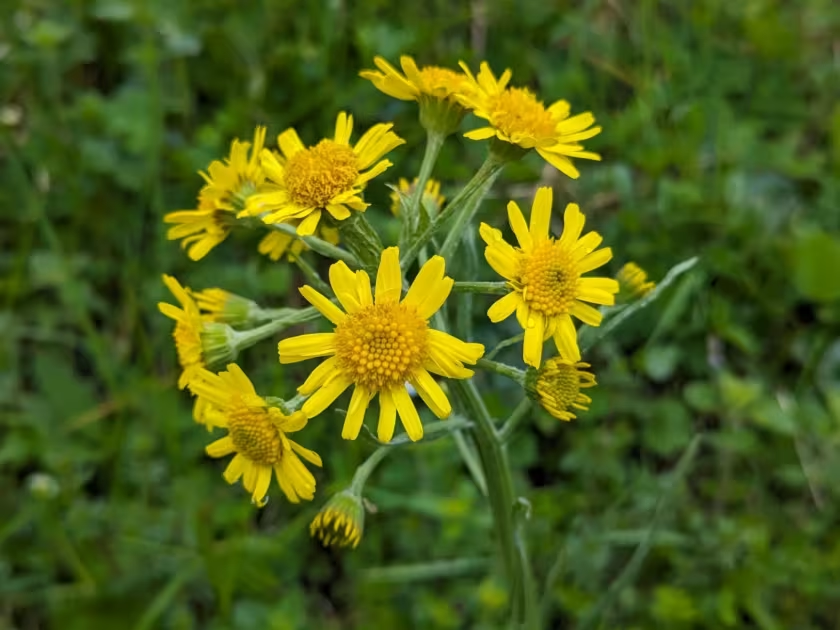
Tephroseris longifolia, often referred to as the long-leaved leopardbane, is a herbaceous perennial belonging to the Asteraceae family. It is historically related to the genus Senecio, featuring distinct foliage and attractive daisy-like blooms that characterize this group.
Native to the mountain regions of Europe, this plant is well-adapted to alpine and subalpine meadow conditions. It thrives in temperate climates and is highly regarded by gardeners for its robust nature and reliable performance throughout the growing season.
The ideal growing medium for this species is a well-draining, moderately fertile soil with a neutral pH level. Proper drainage is critical; the plant's root system is sensitive to waterlogged conditions, which can lead to rapid decay during the dormant winter months.
In terms of light exposure, the plant prefers full sun to light shade. While it exhibits good drought tolerance once established, providing supplemental moisture during extreme summer heat ensures optimal floral production and maintains the health of the foliage.
Tephroseris longifolia serves primarily as an ornamental plant in landscaping. Its aesthetic value makes it an excellent choice for rock gardens, gravel beds, and mixed perennial borders, providing a natural look that complements various garden design styles.
Main diseases and pests
The primary threats to this plant are soil-borne pathogens triggered by excessive moisture. Root rot is a common issue if the planting site does not provide adequate drainage or if the soil is too heavy and compact for the root system.
Powdery mildew is a frequent foliar disease, especially in areas with stagnant air circulation. Affected leaves develop a dusty, white appearance that can weaken the plant over time, requiring prompt intervention with appropriate horticultural fungicides.
Aphids are the most prevalent insect pests, often colonizing the flower buds and young shoots. These insects sap the energy of the plant, which may result in stunted growth or deformed blossoms if not managed properly during the early stages of infestation.
Spider mites can also become problematic during hot, dry spells. They thrive in dry conditions and can cause the foliage to lose color and eventually wilt, necessitating a consistent watering regime and insecticidal soap applications if required.
To maintain plant health, it is essential to keep the area free of debris and ensure adequate spacing between plants. Regular monitoring allows for early detection of potential stressors, ensuring the longevity of these beautiful perennials in the landscape.