
Tephroseris helenitis
Tephroseris helenitis
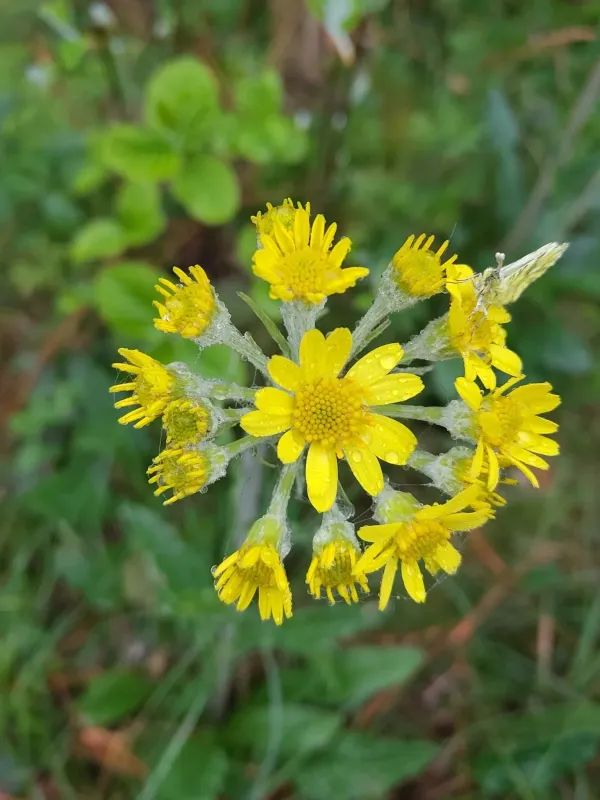
Description
Growing requirements
Tephroseris helenitis is a perennial herbaceous plant belonging to the Asteraceae family. It is native to European mountain regions, thriving in alpine meadows and rocky slopes where the conditions are quite distinct.
The plant requires well-drained, fertile, and neutral or calcareous soils. It is particularly sensitive to stagnant moisture, which can quickly lead to root rot; therefore, providing an efficient drainage system is a prerequisite for successful cultivation.
In terms of climate, it exhibits high tolerance to cold, reflecting its alpine origin. However, it performs best in regions with mild summers and sufficient moisture, as excessive heat can slow down its metabolic processes and overall development.
Light requirements include full sun to partial shade. In intense solar radiation conditions, providing a bit of shelter during the hottest hours of the day will help maintain turgor pressure in the leaves and ensure healthier growth.
Agronomic management focuses on keeping the area weed-free and providing adequate moisture during the early growth stages. Once established, the plant is relatively hardy and requires minimal intervention aside from seasonal maintenance.
Main diseases and pests
Aphids are the most common pests affecting Tephroseris helenitis, often clustering on the undersides of leaves or tender buds. Integrated pest management, including natural predators or specific insecticides, is recommended for control.
Root rot remains the primary threat regarding plant diseases, especially in areas with heavy soil or poor drainage. Ensuring the soil is aerated and not waterlogged is the best preventive strategy against fungal pathogens.
Powdery mildew may occur if the plants are spaced too closely, reducing airflow. Regular thinning and maintaining appropriate spacing between individual specimens help to mitigate this risk significantly.
Slugs and snails can cause cosmetic and structural damage during the spring. Implementing physical barriers or organic baits helps protect the younger, more vulnerable leaves from being consumed during initial emergence.
Maintaining a proactive monitoring schedule is essential for identifying early symptoms of stress or infection. By ensuring proper nutrient levels and avoiding over-fertilization, growers can maintain a robust plant population.