
Tephroseris kirilowii
Tephroseris kirilowii
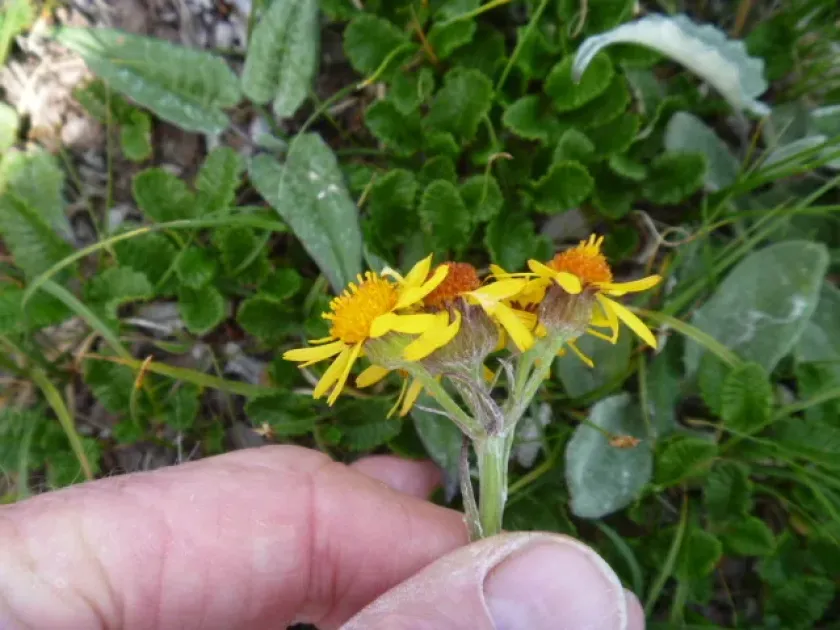
Description
Growing requirements
Tephroseris kirilowii is a herbaceous perennial plant belonging to the Asteraceae family. It is native to the diverse landscapes of East Asia, where it thrives in natural meadow habitats.
This crop requires fertile, well-draining soil rich in organic matter to achieve maximum productivity. It performs best in areas where moisture levels remain consistent throughout the growing season.
Regarding climate, the plant is quite hardy, capable of surviving significant winter temperatures. It prefers open, sunny locations but benefits from some afternoon shade in extremely hot climates.
Soil preparation should focus on optimizing aeration and nutrient availability. Incorporating compost or well-rotted manure during the pre-planting phase is recommended for sustaining long-term growth.
Agricultural management includes precise irrigation scheduling. Excessive standing water should be avoided at all costs to prevent root rot, which is the most common physiological disorder in this species.
Main diseases and pests
Pests such as aphids and spider mites are frequent invaders of Tephroseris kirilowii. They often colonize the tender tissues of the plant, causing chlorosis and stunted growth.
Fungal pathogens, particularly powdery mildew, thrive when humidity is high and air circulation around the plants is obstructed. Proper spacing is the best preventive measure.
Disease management strategies rely on sanitation, including the removal of infected foliage and the rotation of crops to minimize pathogen buildup in the soil.
Regular inspections are necessary during the active vegetative phase to identify early signs of infestations or fungal patches before they escalate.
Integrated Pest Management (IPM) protocols are suggested, combining mechanical controls with approved chemical applications when threshold levels are crossed.