
Tephroseris crassifolia
Tephroseris crassifolia
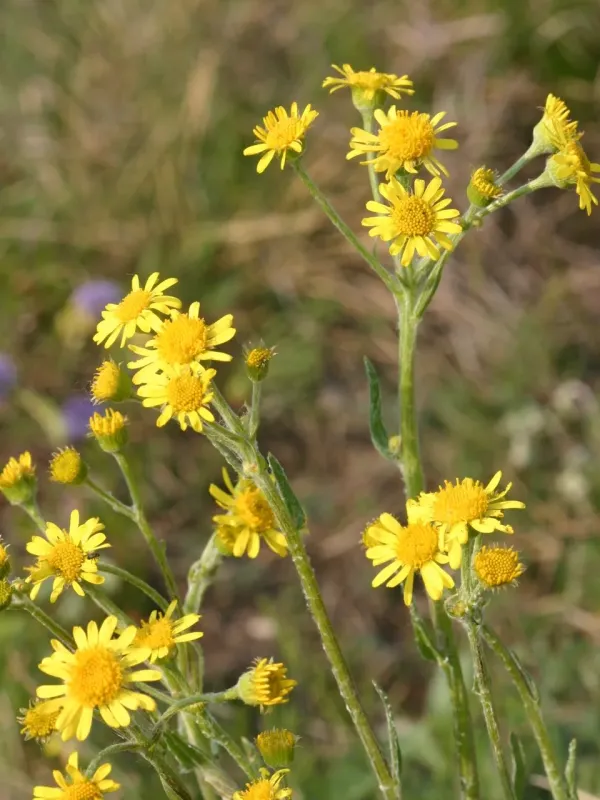
Description
Sowing dates
Propagation is primarily achieved through seeds, which often require a period of cold stratification to overcome dormancy. Sowing should ideally take place in late winter or early spring in a controlled indoor environment to ensure optimal germination rates.
When sowing, seeds should be placed on a sterile, light, and airy substrate. They require minimal soil coverage, as many species in this genus are light-dependent for germination. A light dusting of fine grit can help stabilize the seeds without hindering light access.
Seedlings should be pricked out into individual pots once they reach the first or second set of true leaves. This delicate process helps prevent root crowding and prepares the young plants for their eventual transition to the outdoors.
Hardening off is a mandatory step before planting into the permanent site. Over a period of two weeks, the plants should be gradually exposed to external temperatures and light conditions to strengthen their cellular structure and improve survival rates.
Once planted in the garden, the spacing should be generous, allowing at least 20-30 centimeters between specimens. This ensures adequate airflow, which is critical for preventing fungal outbreaks in the dense foliage of the plant.
Growing requirements
Tephroseris crassifolia is a perennial herbaceous plant belonging to the Asteraceae family. This species is naturally adapted to harsh alpine conditions, which explains its unique morphological characteristics and resilience in poor environmental conditions.
A key botanical feature of this plant is its thick, succulent leaves, which act as water-storage organs allowing it to survive in arid mountain climates. The leaves are often covered with fine hairs, which help reduce transpiration and protect the tissue from intense solar radiation.
The successful cultivation of this plant requires well-drained, gritty, or sandy soils with moderate nutrient levels. In a garden setting, it is essential to ensure a high-quality drainage layer to prevent water from stagnating around the roots, as this is the primary cause of plant death.
Tephroseris crassifolia thrives in open, sunny locations. Insufficient light leads to etiolation, where the plant stems become weak and leggy, and the typical compact, rosette-like form is lost. It is well-suited for high-altitude zones or areas with cool, temperate summers.
In terms of economic or horticultural use, the plant is valued for its texture and hardiness in specialized gardens. It is a prized specimen for rock gardens, alpine troughs, and botanical collections where its unique foliage can stand out against stone backgrounds.
Main diseases and pests
The most significant threat to Tephroseris crassifolia is root rot, triggered by overwatering or poor soil drainage. If the substrate remains saturated for too long, the root system begins to decay rapidly, often leading to the sudden collapse of the plant.
Common pests include aphids, which may cluster on the developing flower stalks during the early growing season. While infestations are rarely fatal, they can significantly reduce the ornamental value of the plant by curling leaves and stunting growth.
Slugs and snails can cause severe damage to the fleshy foliage, especially during moist weather conditions. Protective measures, such as placing barriers like copper tape or crushed eggshells around the base, are often necessary in high-pressure areas.
Weed management is vital as the species is not a strong competitor. Regular hand weeding is the preferred method to avoid damaging the sensitive roots of the Tephroseris, as the plant does not respond well to aggressive hoeing or mechanical cultivation.
Maintaining a clean garden environment by removing dead foliage and debris in autumn is an effective way to minimize overwintering sites for fungal spores and pests. Healthy, properly spaced plants are generally robust enough to resist most common diseases.