
Tephroseris pierotii
Tephroseris pierotii
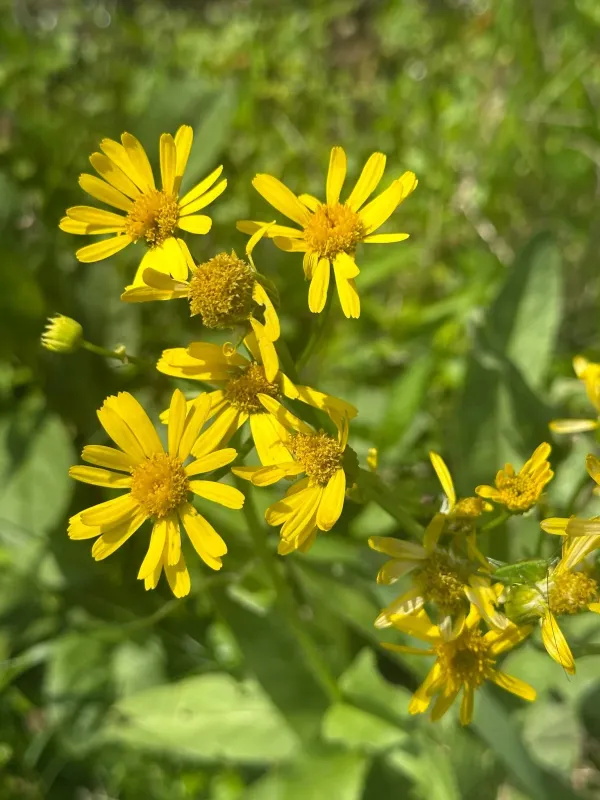
Description
Sowing dates
The seeds of Tephroseris pierotii are typically sown in early spring when soil temperatures reach 10–12 degrees Celsius. Late April to early May is considered the ideal window to ensure germination success in most temperate climates.
When sowing in open fields, seeds should be planted at a shallow depth of 1–2 centimeters. Light is crucial for germination, so keeping the soil cover thin is essential for the seedlings to emerge properly.
Autumn sowing is possible in warmer regions, but in colder climates, a seedling tray method is recommended. This approach protects young plants from frost and ensures a more vigorous establishment before transplanting.
Optimal planting density is approximately 25–30 plants per square meter. This spacing prevents overcrowding, allowing each plant to access enough sunlight and soil nutrients for healthy vegetative development.
After seeding, mulching with organic material helps maintain moisture levels. Consistent moisture is vital during the first two weeks post-sowing to prevent the sensitive seeds from drying out.
Growing requirements
Tephroseris pierotii is a member of the Asteraceae family and thrives in well-lit areas. It adapts well to various soil types, although it performs best in well-draining loamy soils with a neutral pH level.
While the plant shows moderate drought tolerance, it requires regular irrigation during hot summer months to maintain its vegetative vigor. Adequate drainage is critical, as waterlogged conditions often lead to root issues.
Organic fertilizer application during soil preparation is highly beneficial. Nitrogen-rich fertilizers should be used sparingly during the second half of the season to ensure the plant adequately prepares for winter dormancy.
The optimal temperature range for active growth is 18–25 degrees Celsius. The species is quite hardy and can handle minor temperature fluctuations, which is an advantage for cultivation in variable climates.
In its natural habitat, such as meadows and forest edges in East Asia, the plant receives plenty of ambient moisture. Replicating these conditions by avoiding overly dry sites is key to successful long-term cultivation.
Yield
Productivity for Tephroseris pierotii is assessed by biomass production and seed harvesting potential. With proper agronomic care, the plant forms a robust cluster, yielding significant green mass throughout the season.
Yield depends heavily on consistent weeding and soil aeration. Keeping the soil free of competing weeds ensures that all available nutrients are directed toward the plant's growth rather than being consumed by invasive species.
Seed harvest should take place when the flower heads darken. Harvesting during dry, sunny weather is essential to minimize moisture content in the seeds, which prevents rotting and mold development during subsequent storage.
Renewing plantings every three to four years helps maintain high productivity levels. As the plants age, their vigor and seed production decline, making periodic rotation or rejuvenation a standard practice in managed fields.
Proximity to other plants should be managed carefully to avoid competition. A well-organized plot will ensure maximum sunlight exposure, which is the primary driver for both biomass accumulation and flowering efficiency.
Main diseases and pests
Powdery mildew is the most common fungal threat, typically appearing in conditions with high humidity and poor air circulation. Proper spacing between plants is the best preventive measure against this infection.
Pests like aphids can affect young leaves and stems, sucking the plant's sap. Regular inspection of the foliage allows for quick intervention, which is necessary to prevent the pest population from impacting total yield.
Root rot occurs primarily due to excessive irrigation or poor soil drainage. Keeping the soil friable and ensuring water can move freely through the subsoil is the most effective way to protect the plant from decay.
Weeds in the vicinity of the crop often act as vectors for various plant viruses and diseases. Maintaining a clean field environment is as much a disease management strategy as it is a standard cultivation procedure.
If chemical or biological treatments are required, they should be applied at the first signs of disease spread. Following manufacturer instructions regarding dosage is vital to prevent chemical burn and ensure long-term soil health.