
Tephroseris papposa
Tephroseris papposa
Description
Growing requirements
Tephroseris papposa is a perennial herbaceous plant belonging to the Asteraceae family. Naturally found in subalpine and alpine regions, particularly in the Caucasus, it is well-adapted to high-altitude environments characterized by distinct seasonality.
The plant thrives in well-draining, rocky soils. In an agricultural or horticultural context, providing a substrate that mimics its natural stony habitat is essential to prevent root rot and ensure the longevity of the perennial crown.
Climate requirements for Tephroseris papposa include a preference for cool summers and significant cold hardiness. It is highly adapted to intense light but requires a specific microclimate that avoids excessive heat stress, which is typical for low-altitude cultivation areas.
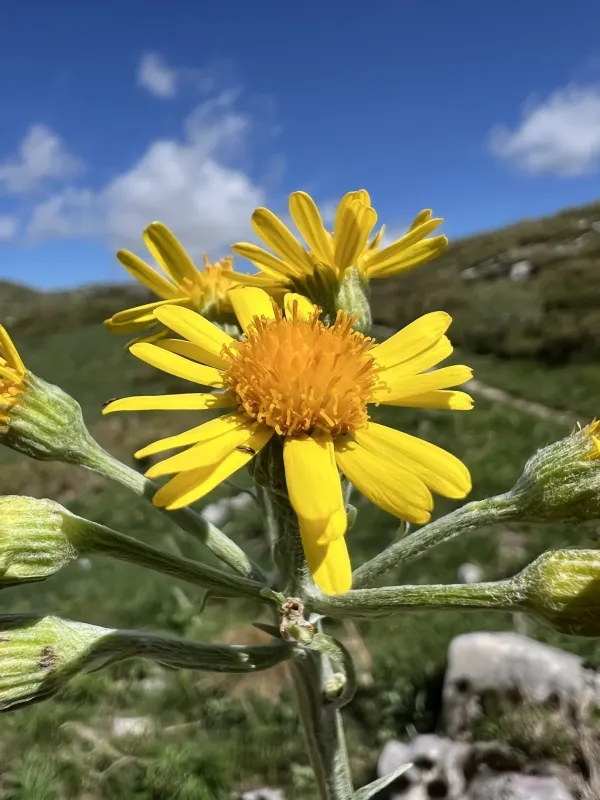
Botanically, the species is distinguished by its dense pubescence covering the foliage and stems, which serves as a protective mechanism against harsh alpine conditions. The reproductive strategy involves the formation of characteristic yellow flower heads typical of the tribe Senecioneae.
In terms of practical utility, Tephroseris papposa is primarily cultivated as an ornamental plant. It is highly valued in rock gardens and specialized xeriscaping projects where collectors seek to maintain botanical diversity under conditions that emulate natural mountain meadows.