
Tasmanian waratah
Telopea truncata (Labill.) R. Br.
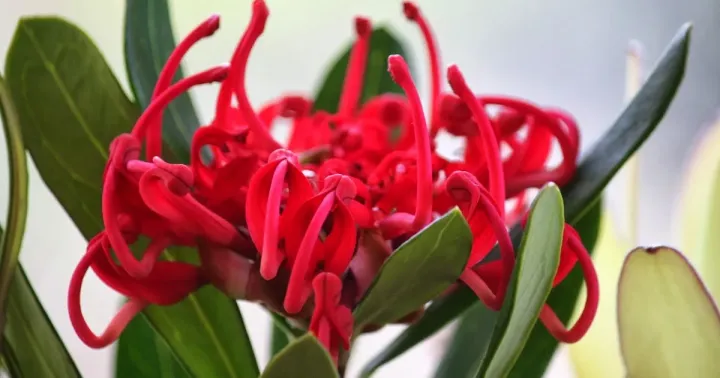
Description
Growing requirements
The Tasmanian waratah (Telopea truncata) is a striking evergreen shrub belonging to the Proteaceae family. It is native to the diverse and cool temperate environments of Tasmania, where it thrives in high-altitude forests.
The cultivation of this species requires a climate that mimics its natural habitat: cool to moderate temperatures and high humidity. It is sensitive to excessive heat, which can lead to stress and reduced growth performance.
Soil quality is of paramount importance; Telopea truncata requires acidic, well-draining soil with low phosphorus content. Poor drainage often leads to fatal root rot, making it a critical aspect of agricultural planning.
Maintenance involves providing adequate moisture without allowing the roots to sit in water. In garden or commercial settings, it is often necessary to provide a protective layer of mulch to maintain root coolness and consistent moisture.
Beyond its aesthetic appeal, this plant is primarily utilized in the floral industry for its distinctive, vibrant red inflorescences. It is highly valued for its long vase life, making it a significant crop for niche floriculture.
Main diseases and pests
Root rot, particularly caused by Phytophthora species, represents the most serious biological threat to this crop. Maintaining optimal soil structure and avoiding irrigation mismanagement are the primary defensive strategies.
Pests such as scale insects and spider mites are frequent invaders in controlled growing environments. These pests can rapidly colonize foliage, reducing plant vigor and overall market value of the cut flowers.
Nutrient deficiency, specifically related to the iron and manganese uptake, often results in chlorosis. This condition is usually a direct consequence of an improper pH level in the growing medium, requiring careful monitoring.
Physical trauma to the root system during planting or maintenance activities can facilitate the entry of soil-borne pathogens. Operators must exercise caution to prevent any damage to the delicate root structures of the shrub.
Integrated pest management (IPM) practices, including the use of biological controls and selective chemical applications, are recommended to protect the crop while ensuring sustainable production standards.