
Waratah
Telopea speciosissima x Telopea oreades
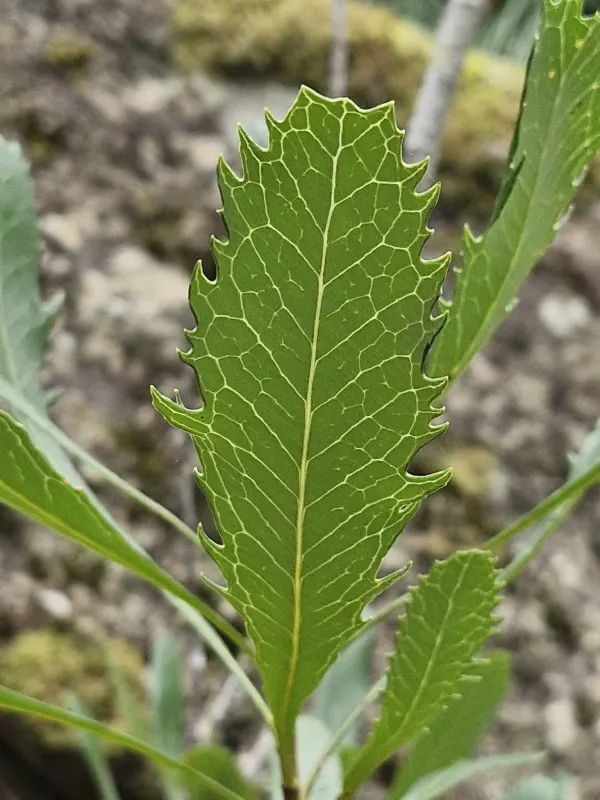
Description
Sowing dates
Propagation of Waratah in commercial conditions is predominantly carried out vegetatively via cuttings, as the seed method does not guarantee the preservation of hybrid characteristics. The optimal time for harvesting semi-hardwood cuttings is late summer to early autumn.
For successful rooting, a sterile substrate based on perlite and peat with low phosphorus content must be used, as Proteaceae are extremely sensitive to mineral additives.
The temperature regime during the rooting period should be maintained at 20–24 degrees Celsius with stable, high air humidity.
The use of phytohormones for root stimulation significantly increases the percentage of high-quality planting material yield.
Planting young specimens into the ground or containers is performed in spring, once the threat of night frosts has passed, which is critical for young plants.
Growing requirements
Waratah belongs to the Proteaceae family and has strict soil quality requirements. It prefers deep, well-drained acidic soils with a pH range of 5.5–6.5.
The crop reacts extremely negatively to waterlogging in the root zone, so when growing in greenhouses or regions with heavy rainfall, creating high beds is essential.
The plant requires bright, diffused sunlight. With insufficient lighting, shoots stretch, and the probability of forming high-quality inflorescences decreases sharply.
Climate preferences are limited to subtropical zones without sharp temperature fluctuations. Mature plants can withstand short-term temperature drops down to -5 degrees Celsius.
Agrotechnology requires avoiding fertilizers with high phosphorus content, as Waratah roots have a specific structure and can be damaged by an excess of nutrients.
Yield
The commercial productivity of Waratah is assessed by the number of cut stems ready for sale on the floral market. Yield depends directly on the age of the bush and the intensity of pruning.
At the peak of vegetation, a mature bush, when following the technology, can produce 15 to 30 high-quality flower stems per season.
Crop quality is determined by stem length, which should be at least 60–80 cm, and the degree of bract opening, which forms the characteristic cup shape.
The productive lifespan of a Waratah plantation is approximately 8–12 years, provided there is regular application of organic mulching materials.
Harvesting is carried out when the inflorescence has acquired a saturated color but has not yet fully opened all the individual flowers in the head.
Main diseases and pests
The main threat to Waratah plantations is root rot caused by pathogens of the genus Phytophthora, which develop actively during soil waterlogging.
In greenhouses, the plant is often infested by mealybugs, which hide in leaf axils and at the base of dense inflorescences, making control measures difficult.
Aphids and spider mites can harm young shoots during periods of drought, sucking sap and causing leaf deformation.
To prevent the spread of fungal diseases, it is necessary to maintain a strict phytosanitary regime and avoid overcrowding in plantings.
The use of systemic fungicides is recommended only upon detection of the first signs of disease to prevent total loss of the crop.
Harvesting
Harvesting Waratah is a labor-intensive process that requires high precision. Cutting is done with sharp secateurs at a 45-degree angle to improve water absorption after collection.
Collected stems are immediately placed in clean water with added floral preservatives to extend the vase life of the product.
Sorting by stem length and inflorescence head size is a mandatory stage in preparing the goods for transportation.
Transportation must be carried out in a vertical position at low temperatures to prevent the loss of turgor in the petals.
The optimal time for harvesting is early morning when plant tissues are maximally filled with moisture, ensuring the best commercial appearance.