
Telopea
Telopea speciosissima x Telopea mongaensis
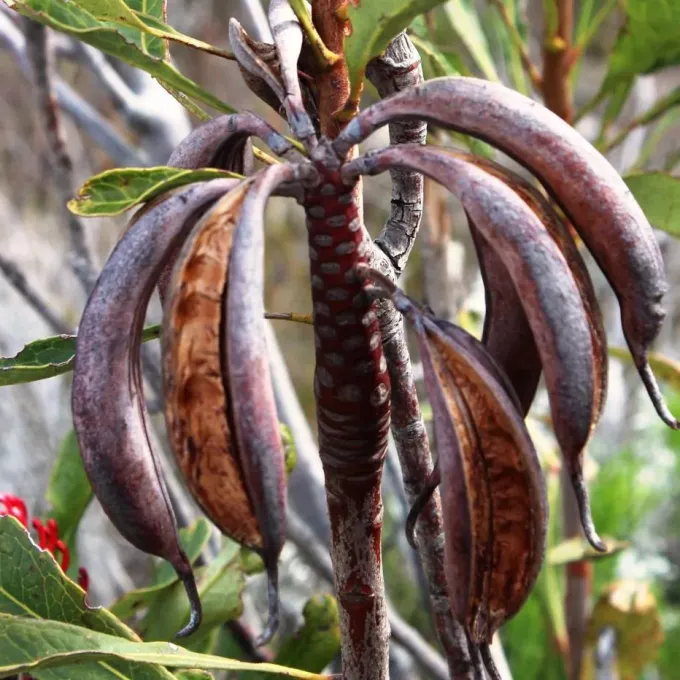
Description
Sowing dates
In commercial practice, Telopea is primarily propagated through vegetative methods such as cuttings. This approach is essential to maintain the specific traits of hybrids and ensures consistent quality across the plantation. The best time for propagation is late spring or early summer, selecting semi-hardwood shoots for rooting.
Propagation by seeds is possible but less preferred, as hybrid offspring do not always retain the desirable characteristics of the parent plants. When using seeds, they must be sown in a low-nutrient, well-draining medium under controlled greenhouse conditions.
Successful rooting requires high humidity levels and the application of appropriate rooting hormones. Maintaining a stable temperature range between 18 and 22 degrees Celsius is crucial during the initial stages of root development.
Transplanting into the permanent growing site or final containers should only occur after the plant has developed a robust root system and acclimated to environmental conditions. Great care must be taken to avoid disturbing the sensitive root ball during this process.
Site selection for planting is vital; commercial growers focus on areas with optimal soil drainage and adequate space to allow the shrub to expand as it reaches maturity over several seasons.
Growing requirements
Telopea belongs to the Proteaceae family and has very specific soil requirements. The crop thrives in acidic, well-aerated, and highly permeable soils where waterlogging is effectively prevented, as the root systems are prone to suffocation.
A critical aspect of Telopea management is the avoidance of phosphorus-rich fertilizers. The roots of Proteaceae are adapted to low-nutrient soils and are sensitive to phosphorus, which can lead to toxicity, chlorosis, and potential plant death.
The ideal climate for Telopea hybrids is similar to Mediterranean conditions, characterized by mild temperatures. While they can tolerate light frost, prolonged freezing temperatures can severely damage the plant's vegetative structure.
Access to full sun or light partial shade is necessary for the plant to produce high-quality blooms. Consistent solar exposure is vital for the development of the characteristic vibrant colors of the bracts that surround the flowers.
Irrigation should be regular during the active growing season but must be significantly reduced during the winter months. Maintaining moderate soil moisture levels prevents the development of fungal infections in the root zone.
Yield
The primary economic use of Telopea is in the floral industry, where its unique inflorescences are highly sought after. Yield is measured by the number of high-quality stems harvested from each mature shrub during the flowering season.
Under optimal management, a mature Telopea shrub can produce between 10 and 30 stems annually. Productivity is heavily dependent on the plant's age and the rigor of the pruning schedule applied throughout the year.
Telopea inflorescences command premium prices due to their exotic appearance and exceptional vase life. Harvesting is typically conducted just as the individual florets within the flower head begin to open.
Annual maintenance pruning is necessary to remove old or damaged growth, which encourages the production of new, vigorous shoots where the next cycle of blooms will form. Regular grooming ensures the plant maintains its productive potential.
The high market value of the flowers makes Telopea a profitable niche crop for producers who can successfully manage its demanding growth requirements and provide high-quality floral stems.
Main diseases and pests
The most significant threat to Telopea is root rot caused by Phytophthora species. These pathogens thrive in poorly drained soils and can devastate a plantation rapidly if soil moisture levels remain consistently high.
Pests such as aphids and scale insects can also affect the crop by feeding on young foliage and stems. Regular scouting and integrated pest management strategies are essential to keep populations below damaging thresholds.
Prophylactic use of systemic fungicides is recommended, especially in humid climates or during periods of heavy rainfall. Ensuring clean irrigation water and strict hygiene in the cultivation area further mitigates disease risks.
Improper fertilization can lead to a buildup of salts in the growing medium, which weakens the plant's natural immunity and makes it more susceptible to various opportunistic diseases and environmental stressors.
Maintaining strict adherence to agrotechnical standards, particularly regarding drainage and plant nutrition, is the most effective defense against the primary threats faced by this crop.
Harvesting
Harvesting Telopea is a manual task that requires the use of clean, sharp pruning shears. Cuts should be made at the base of the flower stem, ensuring that the main structure of the shrub remains undamaged.
The best time for harvest is early in the morning when the plant tissue is fully turgid. This practice maximizes the water content within the stem, contributing significantly to the longevity of the flowers post-harvest.
Immediately after cutting, stems should be placed in clean water supplemented with floral preservatives to prevent bacterial growth and ensure consistent hydration. Stems are then moved to temperature-controlled storage.
Quality grading is based on stem length, inflorescence size, and color vibrancy. Only flawless stems meet the standards required for the premium wholesale and export markets.
Transportation must be carefully managed to avoid temperature extremes, which could degrade the sensitive blooms before they reach the final consumer, ensuring the high quality expected from this luxury crop.