
Telopea mongaensis
Telopea mongaensis Cheel
Description
Growing requirements
Telopea mongaensis is a distinctive evergreen shrub belonging to the Proteaceae family. Native to the Monga National Park and surrounding mountain ranges in New South Wales, Australia, it is well-adapted to cooler, high-altitude climates.
This crop requires specific edaphic conditions, primarily well-draining, acidic, and nutrient-poor soils. High concentrations of phosphorus can be toxic to these plants, as they have evolved specialized proteoid roots to absorb nutrients in poor environments.
Climate requirements include protection from extreme heat and severe drought. While the plant can tolerate light frost, it thrives best in environments with consistent rainfall and cool, misty conditions similar to its natural mountain habitat.
Agricultural management centers on moisture regulation. Growers should ensure that the planting site has excellent drainage, as the species is highly susceptible to waterlogging. Regular monitoring of the moisture balance in the root zone is essential.
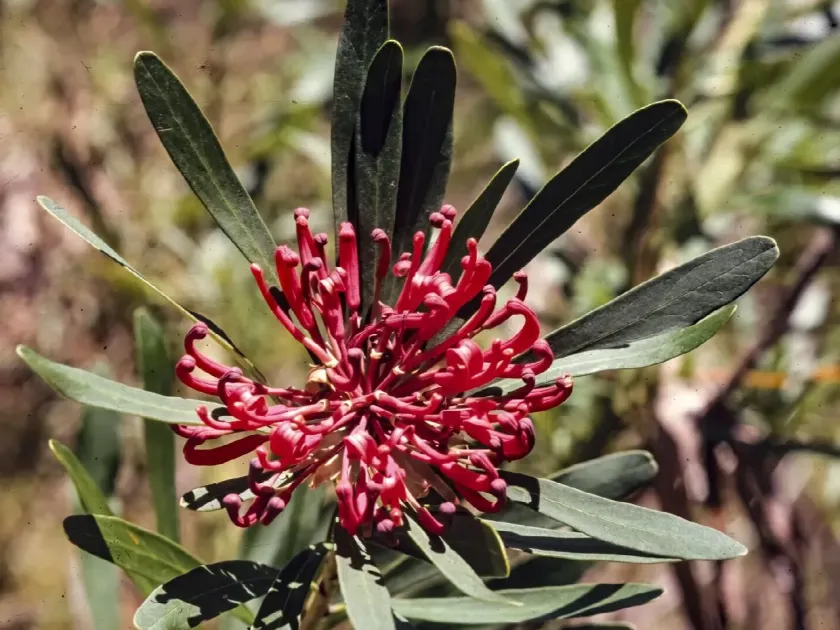
Commercially, Telopea mongaensis is cultivated primarily for the premium floral industry. Its vibrant, deep red blooms are prized for their longevity and unique structural aesthetics, making them a high-value product for export and domestic markets.
Main diseases and pests
The most critical threat to Telopea mongaensis is Phytophthora cinnamomi, a soil-borne pathogen that causes root rot. This disease is exacerbated by poor drainage and excessive irrigation, often leading to rapid decline.
Insect pests, including aphids and various species of mites, can infest flower buds and new growth. Integrated Pest Management (IPM) strategies, such as biological controls and targeted application of soft chemicals, are recommended.
Nutrient toxicity, particularly phosphorus sensitivity, serves as a major physiological threat. Using standard garden fertilizers instead of specialized Proteaceae-formulated fertilizers can lead to root damage and eventual plant death.
Mechanical damage during harvesting or cultivation can also expose the plant to opportunistic fungal pathogens. Maintaining plant hygiene and disinfecting tools between sections are fundamental practices to prevent the spread of diseases.
Climate instability, characterized by unexpected heat waves, can lead to physiological stress, reducing the plant's natural immunity and making it more prone to secondary infections from opportunistic pathogens.