
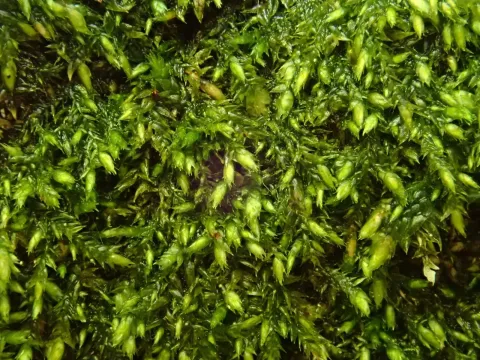
Taxiphyllum
Taxiphyllum
Taxiphyllum is a genus of mosses belonging to the Hypnaceae family, widely cultivated within the aquarium industry for ornamental and commercial purposes. While not a conventional agricultural crop, its rapid propagation and aesthetic qualities make it a staple in the international trade of aquatic plants.
What the section contains


Taxiphyllum
Originating from the tropical regions of Southeast Asia, Taxiphyllum species thrive in humid, shaded environments near riverbanks. Their natural ability to colonize rocks and wood during seasonal flooding periods has allowed them to adapt perfectly to the artificial conditions of indoor freshwater aquariums.
The botanical structure consists of slender, highly branched stems covered with tiny, lanceolate leaves. Lacking a true root system, the plant utilizes rhizoids to anchor itself to substrates. This unique growth habit allows cultivators to shape the moss onto mesh, driftwood, or stones for aquatic landscaping.
Requirements for successful cultivation include water temperatures ranging from 20 to 28 degrees Celsius. The species does not require a nutrient-rich substrate, as it absorbs necessary minerals directly from the water column. Moderate water flow is essential to maintain plant health and prevent sediment accumulation.
Adequate lighting is crucial for promoting lush, dense growth. While the moss is tolerant of low-light conditions, maintaining higher light levels encourages a more compact and vibrant green appearance. Consistently stable water parameters are key to preventing stress and ensuring reliable year-round production.
The primary biological threat to Taxiphyllum is the infestation of filamentous algae. Because the moss exhibits a relatively slow growth rate compared to algae, it can be quickly smothered by invasive species if nutrient levels in the water become unbalanced, leading to light deprivation and tissue decay.
Decomposition of organic matter trapped within the moss clusters is another significant risk. When organic debris settles deep inside the dense growth, it can trigger anaerobic conditions that cause the base of the plant to rot, eventually detaching the moss from its substrate anchor point.
Pathogenic outbreaks are less common, but the plant is susceptible to physiological stress caused by drastic shifts in water chemistry, particularly pH and nitrate spikes. Such stress manifests as browning, brittleness, and a cessation of new shoot development, eventually leading to plant failure.
Invertebrate pests, such as certain species of snails, may graze on the soft, fresh tips of the moss if alternative food sources are scarce. Furthermore, herbivorous fish species are known to consume Taxiphyllum, which can lead to the complete destruction of the cultivated moss carpet in a short timeframe.
Management strategies involve regular partial water changes, mechanical removal of stagnant debris, and careful monitoring of stocking density in production tanks. By maintaining clean water and controlling herbivorous threats, producers can ensure the long-term health and vitality of their moss crops.