
Taxiphyllum alternans
Taxiphyllum alternans
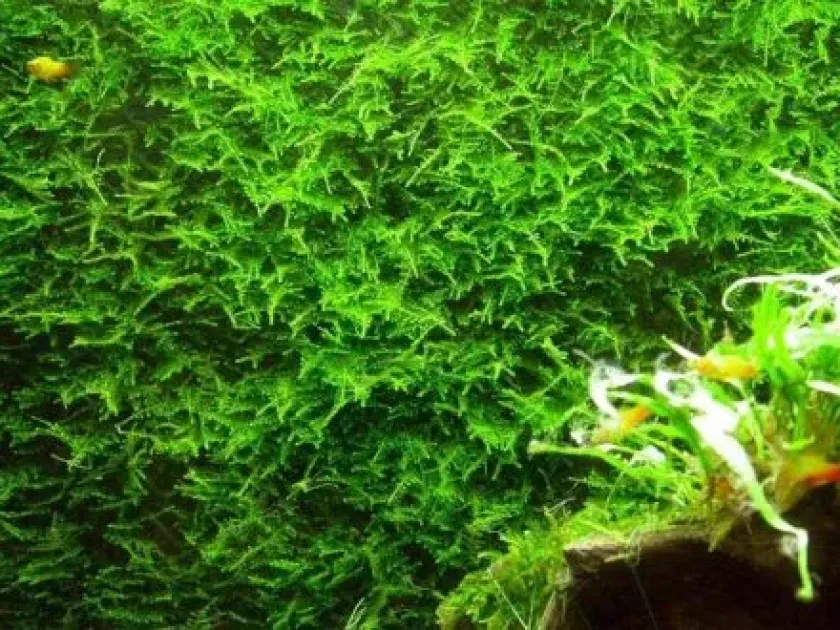
Description
Growing requirements
Taxiphyllum alternans is a species of aquatic moss belonging to the Hypnaceae family. Known in the hobby for its spreading habit, it creates dense, lush carpets that are highly valued in aquascaping projects for their aesthetic appeal.
The plant originates from the tropical regions of Southeast Asia, where it typically inhabits the damp banks of rivers and streams. This evolutionary background allows it to adapt easily to varying moisture levels when grown in emersed conditions.
For cultivation, this species requires a temperature range of 18°C to 26°C. While it is relatively hardy, sudden temperature fluctuations can trigger a stress response, leading to a temporary halt in new growth and a change in coloration.
Light requirements are moderate. Taxiphyllum alternans thrives in shaded or diffused light settings, making it an excellent choice for low-tech aquariums. Providing too much direct light can lead to unwanted algae accumulation on the moss surface.
Regarding soil and media, the plant is epiphytic and does not require a substrate to root. Instead, it should be attached to driftwood, rocks, or mesh pads. Occasional trimming is necessary to maintain the shape and density of the moss colony.
Main diseases and pests
The primary threat to the health of Taxiphyllum alternans is the intrusion of nuisance algae. Filamentous algae are particularly problematic as they entangle within the delicate branch structure, making manual removal extremely difficult.
Improper nutrient levels in the water column can lead to stunted growth. Nitrogen and phosphorus imbalances often manifest as browning or yellowing of the fronds, which are signs that the plant is struggling to maintain its physiological functions.
Lack of water circulation is another significant risk factor. Poor flow leads to the accumulation of detritus and organic waste on the moss fibers, which creates an environment conducive to the development of fungal infections and bacteria.
Pests like small snails may feed on the moss if they are starving, although they generally prefer softer, decaying plant matter. Keeping a population of algae-eating invertebrates helps maintain a clean surface for the moss to grow.
Regular maintenance, including water changes and checking lighting schedules, is essential for successful cultivation. By ensuring a clean and balanced environment, growers can prevent the majority of common threats associated with this aquatic plant.