
Taxiphyllum wissgrilli
Taxiphyllum wissgrilli
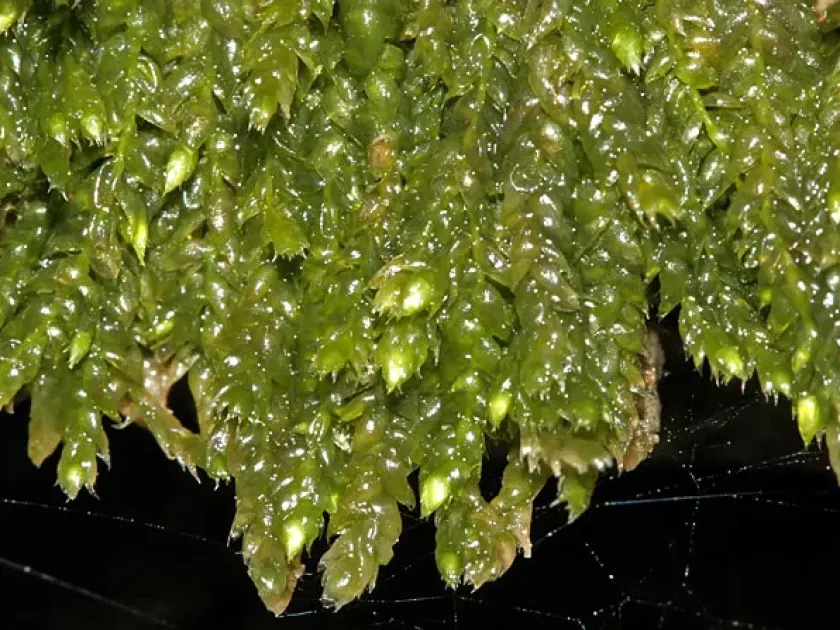
Description
Growing requirements
Taxiphyllum wissgrilli belongs to the Hypnaceae family, known for its ability to form dense, creeping mats on various substrates. In its natural habitat, it is typically found on limestone rocks, moist soil, and decaying wood in shaded, humid environments.
The plant features pinnate branching and delicate, lanceolate leaves that overlap to create a lush, velvety texture. This morphology allows the moss to efficiently capture moisture from the air, which is critical for its survival in a cultivation setting.
When growing this species, maintaining consistent humidity levels is paramount. It thrives best in temperate conditions, typically between 15°C and 22°C. Avoiding temperature extremes and fluctuations is essential to prevent physiological stress to the delicate moss colony.
Lighting requirements for Taxiphyllum wissgrilli are best met with low to moderate indirect light. Exposure to direct sunlight can lead to rapid desiccation and the bleaching of the foliage, effectively ending the plant's growth phase and leading to necrosis.
In terms of agricultural or specialized usage, this moss is highly valued in the hobby of terrarium and paludarium design. Its growth habit enables it to colonize rock surfaces and hardscape materials, providing a naturalistic and aesthetic appearance to miniature ecosystems.
Main diseases and pests
Fungal infections, often characterized by white or fuzzy mycelial growth, represent the most significant threat to Taxiphyllum wissgrilli. These pathogens emerge when air circulation is insufficient or when the moss remains overly saturated for prolonged periods.
Algal blooms are a persistent challenge in aquatic or high-humidity environments. These opportunistic organisms compete with the moss for light and space, frequently overgrowing and smothering the slower-growing moss colonies if not managed through proper water chemistry.
Pests such as soil-dwelling mites can damage the rhizoids, which are vital for the plant's attachment to the substrate. Regular inspection of the culture is necessary, and any infected areas should be carefully excised to prevent the spread of the infestation throughout the colony.
Chemical sensitivity is a hallmark of this species, as it is highly reactive to many standard agricultural fungicides and fertilizers. The use of concentrated chemicals often leads to immediate tissue death; therefore, biological and mechanical controls remain the preferred strategy.
Finally, improper water mineral content, specifically high salinity or hardness, can lead to the rapid decline of the moss. Utilizing distilled or deionized water is often necessary to ensure the long-term health and stability of the plant within a controlled growing environment.