
Taurian wormwood
Artemisia taurica Willd.
Description
Sowing dates
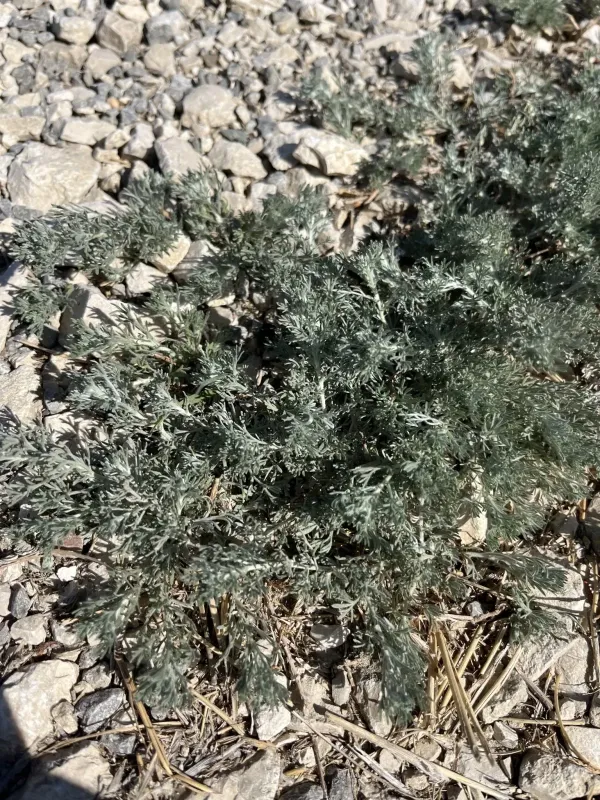
Taurian wormwood (Artemisia taurica Willd.) is a perennial subshrub belonging to the Asteraceae family. It is recognized as a significant essential oil crop, particularly adapted to arid and steppe climates, which determines its specific agricultural management.
The plant is typically propagated either through seeds or by division of mature rootstocks. Given the tiny size of the seeds, they are sown at a shallow depth of approximately 0.5–1 cm to ensure proper germination and to prevent the seedlings from exhausting their reserves before emergence.
Early spring sowing is generally the most favorable period, allowing the young plants to utilize soil moisture before the onset of extreme summer heat. Row spacing of 60–70 cm is recommended to facilitate mechanical cultivation and weed control.
During the establishment phase, which occurs in the first year, the crop shows slow initial growth. Proper weed management during this stage is critical, as young wormwood plants are poor competitors against invasive weeds.
Vegetative propagation using rootstock division is an efficient way to establish a plantation quickly. This method ensures a faster onset of high-quality biomass production, often allowing for an early harvest by the second year.
Growing requirements
As a xerophytic plant, Taurian wormwood thrives in environments with limited rainfall. It displays high tolerance to drought, making it an excellent candidate for sustainable farming in semi-arid regions where water resources are scarce.
The species is remarkably resilient to salinity, often performing well on soils where other crops fail. It prefers light-textured, well-drained soils, such as sandy loams or chestnut soils, which prevent the risk of root rot during colder, wetter seasons.
Sunlight is a non-negotiable requirement for this crop. It needs maximum solar exposure to synthesize essential oils. Any form of shading significantly negatively impacts the quality and volume of the aromatic compounds produced by the plant.
Soil aeration is essential for the healthy development of the root system. Regular tillage and hoeing in the inter-row spaces are necessary to maintain soil structure, enhance oxygen penetration, and conserve soil moisture throughout the dry season.
In terms of nutrition, Taurian wormwood is relatively undemanding. However, moderate applications of nitrogen and phosphorus on depleted soils can significantly boost biomass production and improve the overall longevity of the plantation.
Yield
Taurian wormwood is cultivated primarily for its essential oils, which are highly valued in the fragrance, cosmetic, and pharmaceutical industries. Yields vary depending on the age of the plantation and the climatic conditions of the growing season.
An established plantation usually hits peak productivity between the third and fifth years of growth. During this time, the crop produces high amounts of aerial biomass rich in biologically active compounds, particularly flavonoids and terpenes.
The harvest timing is dictated by the flowering stage. Since the essential oil content is highest during full bloom, harvesting too early or too late results in a significant reduction in oil yield and loss of therapeutic potency.
In addition to industrial essential oil extraction, the plant is used for traditional medicinal purposes. Its bitter compounds provide potent anti-parasitic and digestive benefits, which are standardized in various pharmacological extracts.
Proper post-harvest management is essential. The plantation should be cleaned of crop residues and lightly cultivated to encourage healthy regrowth in the following season, maintaining productivity for up to 8 years.
Main diseases and pests
Due to its high concentration of bitter compounds and essential oils, Taurian wormwood possesses a natural defense mechanism against many common agricultural pests. However, it is not entirely immune to aphids under high-stress conditions.
Pathogenic threats are primarily related to soil moisture management. Overly wet or waterlogged conditions are the leading cause of root rot, which can decimate large areas of the plantation if not addressed immediately through drainage improvements.
Powdery mildew may occur in years with unusually high humidity and lack of airflow. Prevention is key: maintaining proper plant spacing and ensuring the field is free of competing weeds allows for better air circulation around the plants.
Chemical intervention should be minimized to preserve the purity of the essential oil. Integrated pest management, focusing on cultural practices such as crop rotation and timely weed removal, is the preferred strategy for healthy production.
Monitoring the base of the plant during the dormant winter months is recommended, as this is when the crop is most susceptible to crown rot if moisture accumulates in the root zone.
Harvesting
Harvesting is typically performed using specialized machinery that cuts the upper 15–20 cm of the plant, where the glandular hairs containing the essential oil are most concentrated. This ensures high-quality raw material with minimal woody stems.
The ideal harvesting time is during dry weather conditions in the mid-morning, after the dew has evaporated. High moisture on the foliage can lead to rapid degradation during the transport and storage process.
Speed is critical after harvest. The collected biomass must be transported to the processing facility or drying area immediately to prevent internal heating, which causes the rapid evaporation of volatile essential oils.
Controlled drying is performed in well-ventilated structures or industrial dryers at temperatures not exceeding 40°C. Excessive heat will destroy the delicate aromatic profile, significantly reducing the market value of the essential oil.
After the harvest, the plantation requires light tillage to incorporate organic matter back into the soil and to stimulate the rejuvenation of the root system, ensuring the crop remains healthy for the next production cycle.