
Broadleaf holly
Ilex latifolia Thunb.
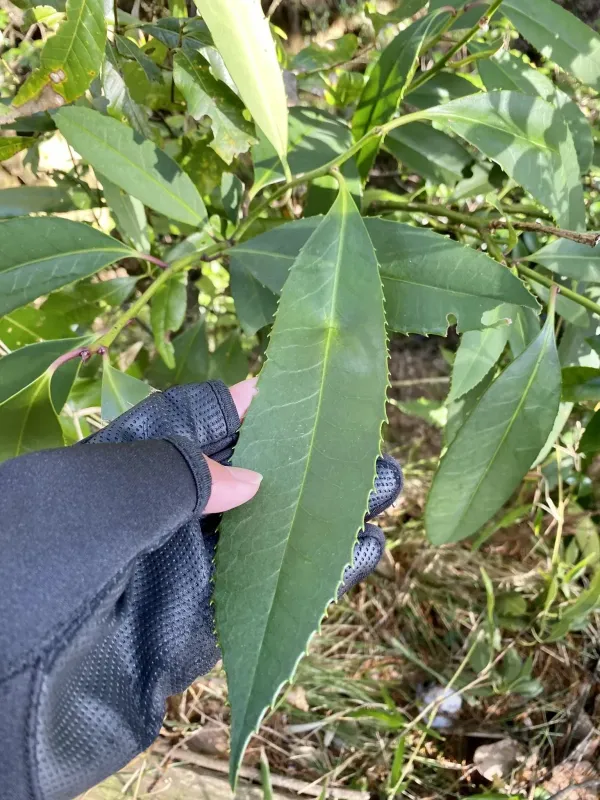
Description
Sowing dates
Propagation of Ilex latifolia is typically achieved through seeds or stem cuttings. Seed propagation is a lengthy process because the seeds exhibit deep dormancy, requiring a stratification period of up to 18 months to ensure successful germination.
For best results, seeds should be sown in prepared nursery beds during the autumn season. A well-draining, acidic, and peat-rich substrate is ideal to provide the necessary conditions for the seeds to overcome dormancy.
Vegetative propagation using semi-hardwood cuttings is the preferred method for commercial plantations. Cuttings should be taken in late summer and placed in a mist-propagated greenhouse to maintain humidity.
Applying rooting hormones to the base of the cuttings can significantly increase the rate of successful root development. Once the root system is established, the young plants are transplanted into larger containers before being moved to the field.
Planting density in the field should be carefully planned to ensure adequate airflow between plants, which is crucial for preventing fungal infections in mature specimens.
Growing requirements
Broadleaf holly is an evergreen species of the Aquifoliaceae family that thrives in temperate climates. It prefers locations that are sheltered from harsh winds and have moderate temperature fluctuations throughout the year.
The soil must be fertile, moist, and well-drained, with a slightly acidic pH. The plant is sensitive to waterlogging, so heavy soils must be amended with organic matter to improve drainage and aeration in the root zone.
While the plant is shade-tolerant, partial shade is generally recommended for optimal leaf quality. Excessive direct sunlight, particularly in dry conditions, can lead to scorched foliage and reduced growth rates.
Regular fertilization with high-quality organic or complex mineral fertilizers during the active growing season supports the development of robust green biomass, which is essential for medicinal harvests.
During the winter months in colder regions, providing mulch around the base of the plant helps protect the roots from deep frost and retains essential moisture in the soil.
Yield
The primary agricultural output of Ilex latifolia is its leaves, which are harvested for medicinal purposes, including the preparation of traditional teas and herbal extracts. Harvesting usually begins when the plants are mature, typically 5–7 years after establishment.
Periodic pruning during the harvest process acts as a growth stimulant for the plant, encouraging the development of lateral shoots. This practice effectively increases the total leaf yield over successive seasons.
Care must be taken to ensure that the harvested leaves are handled properly to prevent mechanical bruising. The leaves are then air-dried or processed in controlled-temperature dryers to preserve their bioactive compounds.
Yield efficiency is highly dependent on the quality of the soil, the availability of nutrients, and the success of the plant's acclimatization to the plantation environment.
As the demand for natural herbal ingredients grows, agricultural interest in the sustainable production of this holly species continues to expand, necessitating efficient management of the leaf canopy.
Main diseases and pests
Ilex latifolia is generally robust, but it can be susceptible to several diseases, particularly when growing conditions are suboptimal. Phytophthora root rot is a major threat that occurs in poorly drained soils.
Fungal leaf spot diseases may appear in humid environments, damaging the quality of the foliage. Proper sanitation and the application of suitable fungicides are necessary to control these outbreaks effectively.
Pest management focuses primarily on controlling scale insects, which feed on the sap and can lead to secondary fungal growth on the leaves. These pests can significantly weaken the plant if left unchecked.
Aphids may occasionally attack tender young growth in the spring. Monitoring and the use of integrated pest management strategies are vital for maintaining the health of the plantation.
Maintaining a clean cultivation area, which includes the removal of diseased plant debris and weeds, is the most effective way to prevent the buildup of pathogens within the crop cycle.