
Tutsan
Hypericum x inodorum Mill.
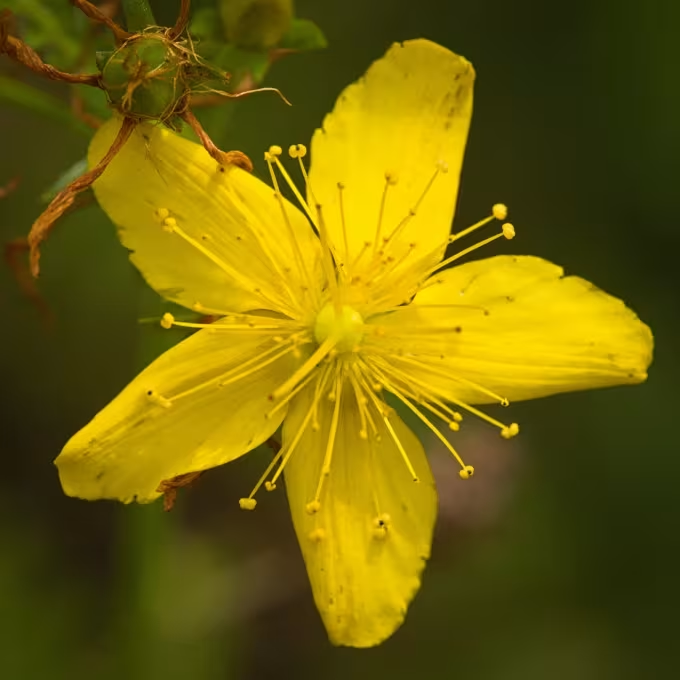
Description
Sowing dates
Tutsan is typically propagated through semi-hardwood cuttings taken during the summer months. These cuttings root well in a mixture of peat and perlite under high humidity conditions.
When planting in the garden, ensure a spacing of 50 to 75 centimeters between individual plants to allow for proper air circulation and the spread of the mature shrub.
Spring is the most favorable time for planting, as it gives the root system ample time to establish itself before the onset of winter frost or severe heat.
For the best results, incorporate organic matter into the planting hole to improve soil texture and provide essential nutrients for the initial growth stage.
Regular watering immediately after planting is crucial for successful establishment, but once mature, the plant demonstrates good resilience against drought.
Growing requirements
Hypericum inodorum prefers full sun to light shade, where it produces the most abundant display of flowers and ornamental berries characteristic of the species.
The plant thrives in well-drained, fertile soil. It is tolerant of a wide range of soil types, provided that there is no risk of prolonged waterlogging.
While hardy, the plant benefits from a layer of mulch during the winter in colder climates to protect the roots from extreme temperature fluctuations.
Annual pruning in early spring is highly recommended to remove dead wood and encourage vigorous new growth, which keeps the shrub looking tidy and healthy.
Fertilizing with a balanced NPK fertilizer once in the spring is usually sufficient to support the nutritional needs of the shrub for the entire growing season.
Main diseases and pests
Rust is the most common fungal disease affecting Hypericum, characterized by small, orange-brown spots on the leaves, which can lead to premature leaf drop.
Powdery mildew may also occur during humid summers, particularly if the shrubs are planted too close together, limiting the movement of air.
Insect pests such as leaf beetles can damage the foliage significantly if left unchecked, so monitoring the plant throughout the growing season is essential.
Integrated pest management, including physical removal of beetles and application of appropriate fungicides, is the best strategy for maintaining plant health.
Maintaining a clean growing area and removing fallen leaves in the autumn helps reduce the overwintering potential of various pathogens and pests.