
Aaron's beard
Hypericum calycinum L.
Description
Sowing dates
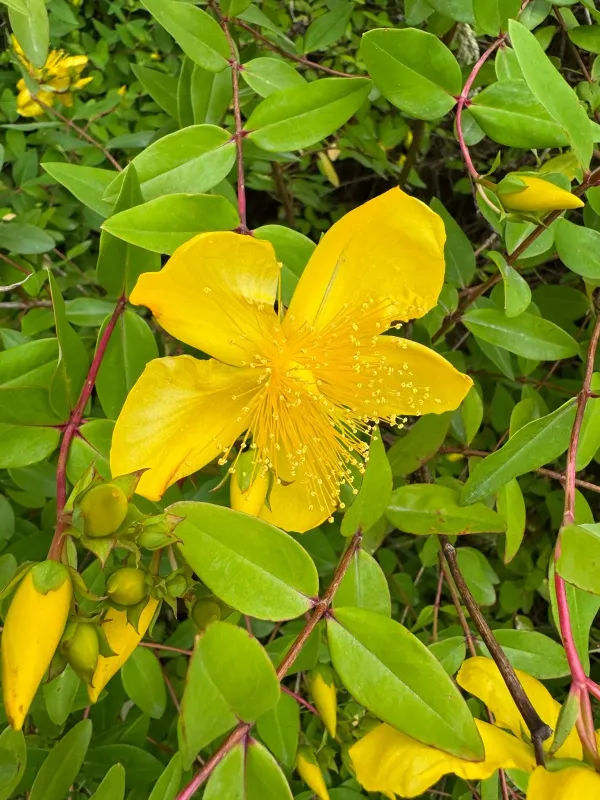
Aaron's beard (Hypericum calycinum L.) is a creeping subshrub belonging to the Hypericaceae family. It is widely cultivated as a robust groundcover, spreading through underground rhizomes that effectively stabilize soil and suppress unwanted vegetation.
Propagation is primarily achieved through vegetative means, specifically division of rhizomes in early spring or autumn. Stem cuttings taken in mid-summer also provide a high success rate for establishing new planting blocks.
When planting, ensure a spacing of approximately 30-45 cm between plants. This density allows for rapid colonization of the designated area, forming a thick, evergreen or semi-evergreen mat that requires minimal long-term maintenance.
The planting substrate should be prepared by incorporating organic matter to improve soil structure. Initial irrigation is critical during the first season to ensure the root system is well-established before the onset of summer heat.
In large-scale landscaping, Hypericum calycinum is often utilized for bank stabilization and slope erosion control, where its deep-reaching root system provides significant structural support to the topsoil layer.
Growing requirements
This species thrives in a variety of soil types, ranging from sandy loams to heavier clays, provided that drainage remains adequate. It is intolerant of waterlogged conditions, which can lead to rapid root decay.
The plant demonstrates remarkable versatility regarding light exposure, performing well in full sun, partial shade, or even deeper shade. However, flower production is typically more profuse in areas receiving at least partial direct sunlight.
Climate adaptability is one of its primary strengths. While it prefers temperate conditions, it remains resilient to minor cold snaps. In colder zones, the foliage may die back, but the rhizomes remain viable, resulting in vigorous spring regrowth.
Cultural maintenance is straightforward: an annual pruning in early spring to ground level removes old, woody growth and encourages the development of fresh, vibrant shoots. This technique preserves the plant's aesthetic appeal.
Fertilization is rarely necessary for established plantings, though a light application of a balanced slow-release fertilizer in early spring can enhance vegetative vigor and the abundance of its characteristic yellow blossoms.
Main diseases and pests
Hypericum calycinum is generally regarded as a pest-resistant cultivar. However, it can occasionally be susceptible to fungal pathogens such as rust (Melampsora hypericorum), which appears as small orange spots on leaves during humid weather.
Leaf spot infections may occur if planting density is too high, leading to reduced airflow. Managing plant hygiene by removing dead or diseased foliage during the winter season helps significantly in reducing disease incidence.
Aphids and spider mites are the most common insect threats, particularly in dry, sheltered spots. Monitoring the undersides of leaves during peak growth periods allows for prompt intervention if infestations reach critical levels.
Root rot caused by Phytophthora species is a risk factor in poorly drained sites. Ensuring that the soil profile is well-aerated through proper site preparation is the most effective preventative measure against this threat.
Integrated pest management, including the use of horticultural oils for minor infestations, is recommended over heavy chemical reliance. Maintaining plant health through proper site selection often negates the need for extensive pesticide use.