
Tutsan
Hypericum androsaemum L.
Description
Sowing dates
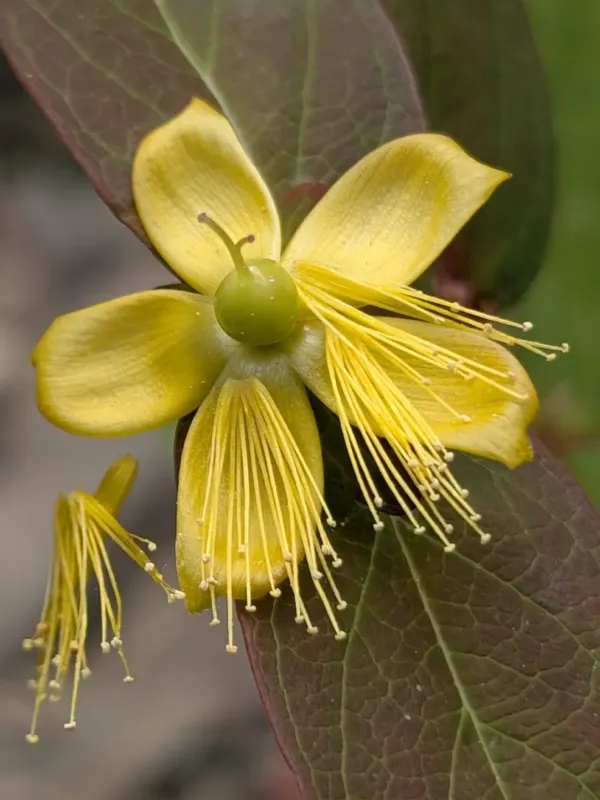
Tutsan (Hypericum androsaemum L.) is a perennial semi-evergreen shrub belonging to the Hypericaceae family, valued for its ornamental berries.
Propagation is typically achieved through seeds, which should be sown in the autumn to benefit from natural winter stratification, ensuring better germination.
For spring sowing, seeds require a period of cold stratification at temperatures between 0°C and 5°C for approximately six weeks to break dormancy.
Seedlings can be started in a nursery environment, providing consistent moisture and protection until they reach a robust size for field transplanting.
Planting density should be managed with spacing of 40-50 cm between individual plants to allow for proper crown development and air circulation.
Growing requirements
This species thrives in sunny to partially shaded locations, making it versatile for various landscape and agricultural settings.
Well-drained, fertile soil with a neutral to slightly acidic pH is optimal for maximizing the growth rate and fruit set of the shrub.
While somewhat drought-tolerant once established, supplemental irrigation is necessary during the flowering and berry-ripening phases to prevent stress.
Regular mulching of the root zone helps maintain soil moisture levels and suppress weed growth, which is vital in the early years of cultivation.
Protection from severe frost is recommended for younger specimens to prevent stem dieback, as the plant can be sensitive to freezing temperatures.
Yield
Yield productivity is characterized by the number of high-quality stems bearing ornamental berries, which usually peaks from the third year onwards.
Proper pruning techniques immediately after harvest stimulate the production of vigorous new shoots, directly increasing future crop yields.
In commercial settings, systematic fertilization with balanced nutrients ensures that the plants maintain vitality and consistent fruit production.
The lifespan of a productive plantation can span nearly a decade if management practices, including pest control and sanitation, are followed.
Yield quality is highly dependent on light exposure; plants grown in optimal sunlight produce significantly more berries than those in dense shade.
Main diseases and pests
Rust and leaf spot fungi are the most common diseases, particularly in humid climates or during periods of prolonged rainfall during the growing season.
Common insect pests include aphids and spider mites, which can cause leaf curling and reduce the aesthetic value of the stems and fruit clusters.
Root rot is a major threat in poorly drained soils, necessitating careful site selection to avoid areas prone to waterlogging after heavy storms.
Integrated pest management strategies, including the use of targeted biological controls, are effective in minimizing damage to the foliage and berries.
Maintaining clear ground around the base and thinning out overcrowded stems helps significantly in reducing the risk of fungal outbreaks.
Harvesting
Harvesting for floral use should occur when the berries have reached their full size and turned a deep, glossy dark red or blackish color.
Careful use of sharp bypass pruners is essential to ensure clean cuts, promoting rapid healing of the plant and preventing site infections.
Post-harvest management requires placing the stems in clean water immediately to maintain turgor pressure and prevent the leaves from wilting prematurely.
It is best to harvest in the cool morning hours to maximize the shelf life of the cut stems before distribution or floral arrangement usage.
Proper sorting based on stem length and berry cluster density adds value to the harvested crop, making it more desirable for professional florists.