
Stinking Tutsan
Hypericum hircinum L.
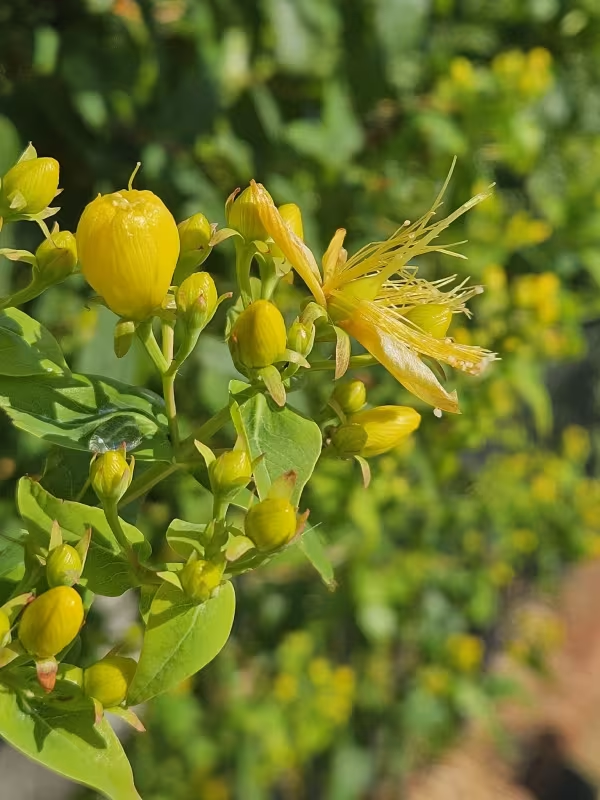
Description
Sowing dates
Stinking Tutsan is primarily propagated through seeds or cuttings, with both methods providing reliable ways to cultivate this hardy perennial shrub in various landscapes.
For seed propagation, it is recommended to stratify seeds for several weeks to improve germination rates before sowing them in a prepared seedbed in early spring.
Cuttings are taken from semi-ripe wood during the summer months; these are treated with rooting hormones to ensure successful development of the root system before winter.
Planting in the garden should be completed by late spring, allowing the roots to establish firmly in the soil before the heat of mid-summer sets in.
Spacing the plants appropriately, generally 50 to 70 centimeters apart, promotes healthy air circulation and prevents overcrowding, which is essential for long-term plant health.
Growing requirements
Hypericum hircinum, belonging to the Hypericaceae family, is a semi-evergreen shrub known for the distinct, goat-like scent of its foliage when crushed.
The plant thrives in sunny to partially shaded locations, requiring well-drained soil that remains consistently moist but never waterlogged to prevent root diseases.
It is relatively tolerant of various soil types but prefers neutral to slightly acidic conditions, benefiting from moderate organic amendment at the time of planting.
Maintenance involves pruning the stems back in early spring to encourage dense growth and a more vigorous flowering display throughout the summer season.
While moderately hardy, young plants may require winter protection in colder climates to prevent damage to tender new growth from harsh freezing temperatures.
Main diseases and pests
While generally resilient, Stinking Tutsan can occasionally suffer from fungal issues like powdery mildew, especially in environments with poor air circulation.
Aphids can sometimes become a concern during the growing season, clustering on soft new shoots and potentially reducing the plant's aesthetic vigor if left untreated.
Gardeners should monitor for signs of infestation early, utilizing mild horticultural soaps or natural predators to manage pest levels effectively and sustainably.
Maintaining a clean growing area by removing fallen debris helps reduce the risk of overwintering pathogens that might affect the health of the shrub.
In cases of severe infection, targeted fungicide treatments can be employed, though they should always be applied according to local agricultural safety guidelines.