
Moser's St. John's wort
Hypericum x moserianum André
Description
Growing requirements
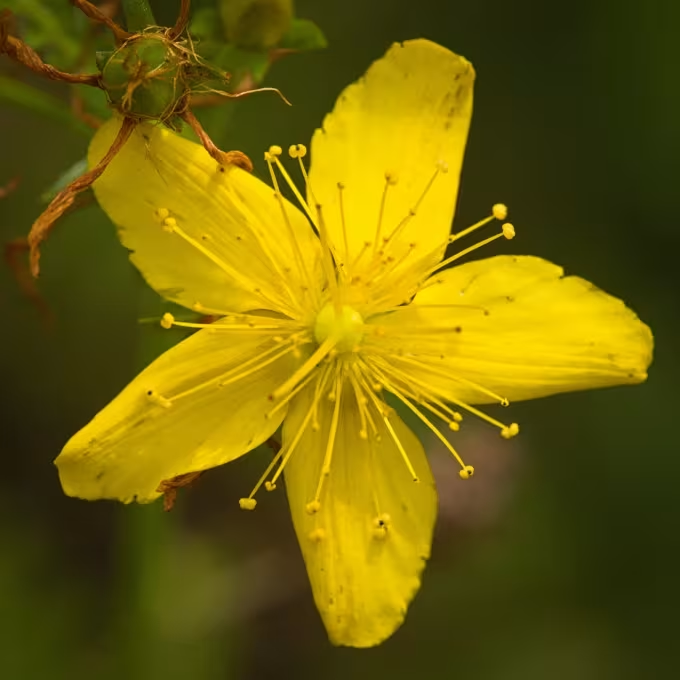
Moser's St. John's wort (Hypericum x moserianum) is a sophisticated hybrid semi-shrub from the Hypericaceae family. It is widely recognized for its elegant, arching stems and large, golden-yellow flowers, which typically feature prominent stamens.
This hybrid originated from the cross-breeding of Hypericum patulum and Hypericum calycinum. While it is not a traditional food or industrial crop, it holds a significant position in ornamental horticulture across temperate climates, often used for mass planting and border decoration.
The plant thrives in sites with partial to full sun exposure and well-drained, fertile soil. It performs best in soils with a neutral or slightly acidic pH, where water drainage is efficient, as standing water during winter months can lead to root damage and necrosis.
Agrotechnical maintenance includes annual pruning in early spring to remove winter-damaged growth and encourage bushiness. Providing a layer of organic mulch around the base of the plant helps retain moisture and protects the roots during temperature fluctuations.
Due to its dense growth habit, Moser's St. John's wort serves as an excellent ground cover. Its aesthetic value is enhanced by its semi-evergreen nature, making it a reliable choice for gardens that require year-round visual interest and minimal maintenance once established.
Main diseases and pests
The plant is susceptible to common garden pathogens such as Rust and various leaf spots. These issues are frequently linked to poor air circulation or excessive humidity during the peak of the growing season, which encourages fungal spore germination.
Pest pressures primarily include aphids and leaf-eating beetles. Aphids tend to congregate on tender new growth, causing curling leaves, while beetles may consume foliage, which reduces the plant's overall photosynthetic efficiency and aesthetic appeal.
Management of these threats involves integrated pest management (IPM) practices, such as manually removing pests or applying horticultural oils. Fungicide treatments are effective if applied preventively during periods of high precipitation or high humidity.
Sanitation practices are critical; fallen leaves and debris should be cleared from the planting area to minimize the overwintering habitat for pathogens. Pruning off diseased tissue immediately upon discovery helps prevent the rapid spread of infection.
Overall, maintaining the plant's vigor through proper spacing and balanced nutrient supply is the best defense against both pests and diseases. Healthy plants generally show much higher resilience to moderate insect attacks compared to stressed or malnourished specimens.