
Square-stalked St John's wort
Hypericum tetrapterum Fr.
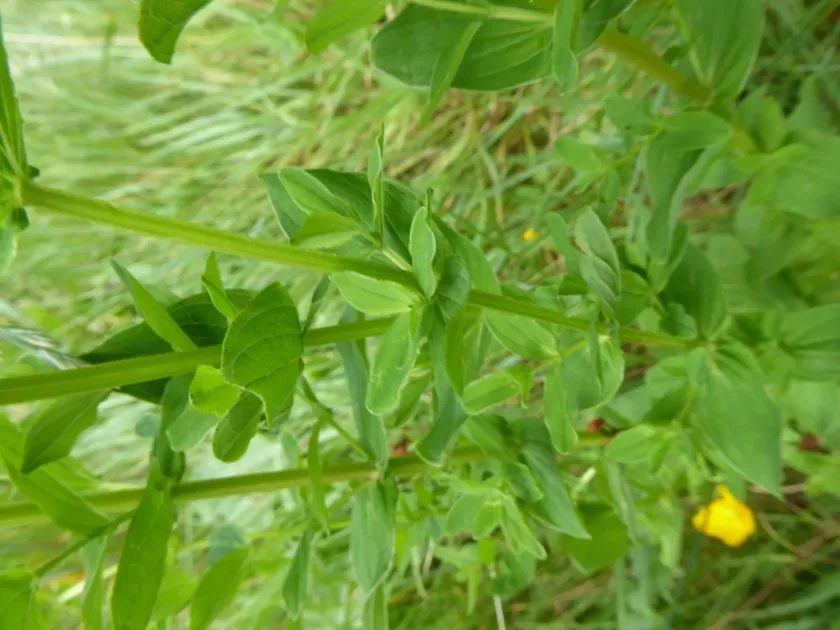
Description
Growing requirements
Hypericum tetrapterum, commonly known as square-stalked St John's wort, is a perennial flowering plant within the Hypericaceae family. It is distinctive for its four-winged stems, which serve as its primary botanical identifier in the field.
This crop is natively found in moist meadows, riverbanks, and marshes across Europe and Western Asia. Unlike many other St John's wort species that prefer dry meadows, this plant is an obligate hydrophyte, requiring consistently high soil moisture levels.
In terms of soil requirements, it thrives in rich, organic, and damp soils. It tolerates partial shade well, making it suitable for cultivation in riparian zones or areas where other traditional field crops might struggle due to high water tables.
The plant demonstrates a strong capacity for vegetative propagation via its rhizomes, which contributes to its robust establishment in favorable environments. It grows vigorously during the late spring and summer months when water availability is at its peak.
Agricultural management should focus on maintaining a stable hydraulic regime for the crop. Farmers should prioritize sites that do not experience significant drying, as water stress can severely reduce biomass yield and secondary metabolite concentration.
Main diseases and pests
The primary threats to this crop involve fungal pathogens, particularly rust and mildew, which proliferate rapidly in high-humidity habitats characteristic of this plant.
Insects such as the St John's wort beetle (Chrysolina species) represent the most significant pest concern, as they can cause extensive defoliation, negatively impacting plant health and secondary chemical content.
Effective management strategies emphasize early detection and the removal of infected plant materials to prevent the spread of fungal spores across the crop area.
In cases of heavy pest infestation, integrated pest management (IPM) practices are recommended to protect the medicinal quality of the harvested aerial parts.
Additionally, weed competition during the early establishment phase can stunt growth, requiring diligent manual or mechanical weeding until the crop is fully established.