
French Marigolds
Tagetes patula L. ssp nana
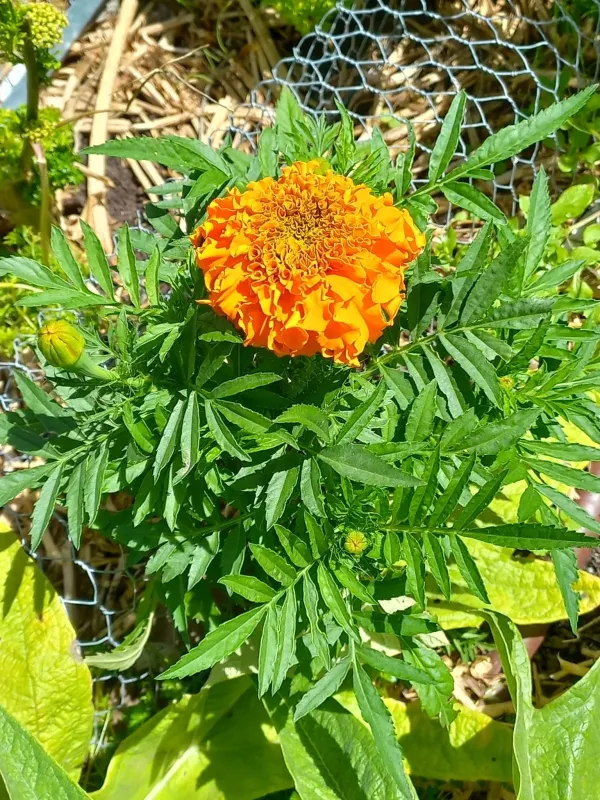
Description
Sowing dates
Sowing French marigolds (Tagetes patula L. ssp nana) is typically performed indoors 6 to 8 weeks before the last expected spring frost. This provides a head start, ensuring robust seedlings ready for transplanting once the soil warms up.
The seeds should be covered lightly with a layer of soil or vermiculite, as they require specific moisture levels to germinate effectively. Maintaining a temperature range of 20–22 degrees Celsius is crucial for consistent sprouting.
Once seedlings have developed two sets of true leaves, they should be hardened off by exposing them gradually to outdoor conditions. This process reduces transplant shock and strengthens the plant structure before field planting.
Direct outdoor seeding is possible in warmer regions once the threat of frost has completely passed. The seeds germinate quickly, often showing growth within 7 to 10 days in warm, moist soil conditions.
Proper spacing is essential to ensure adequate airflow between plants. For dense, uniform beds, planting the dwarf varieties about 15 to 20 centimeters apart is considered optimal for healthy development.
Growing requirements
As a member of the Asteraceae family, French marigolds require full sun exposure to maintain their compact habit and profuse blooming. They thrive in locations that receive at least 6 to 8 hours of direct sunlight daily.
The soil should be well-draining and moderately fertile. While they are adaptable to various soil types, they perform best in loamy or sandy loam mixtures that provide sufficient nutrients without retaining excessive moisture.
Watering should be consistent but not excessive. It is important to let the top layer of soil dry out slightly between irrigation cycles to prevent root rot, which is a common issue in poorly drained beds.
Temperature management is key; these plants are sensitive to frost and perform best in warm conditions. They will thrive throughout the summer months but will decline rapidly once temperatures approach freezing.
Regular deadheading—the removal of faded flowers—is a highly recommended practice. It redirects the plant's energy toward producing new flower buds, significantly extending the blooming window throughout the season.
Main diseases and pests
Root rot and fungal wilts are the most common threats, especially in areas with poor drainage or excessive humidity. Improving soil structure and avoiding overhead watering are effective preventive measures.
Spider mites can become a significant issue during hot and dry summer spells. These tiny pests suck sap from the leaves, causing stippling, discoloration, and a decline in overall plant vitality.
Gray mold (Botrytis) may affect the blooms if damp, stagnant air conditions persist. Ensuring sufficient space between plants helps maintain airflow, which significantly reduces the risk of fungal spread.
Slugs and snails can target young plants, particularly in shaded or very moist garden areas. Protective barriers or organic bait can be used to manage these pests effectively without harming beneficial insects.
Good garden hygiene, such as removing debris and weeds around the plants, is essential for minimizing the risk of infestation by both insects and pathogens that survive in the soil.