
Tagetes lucida
Tagetes lucida Cav.
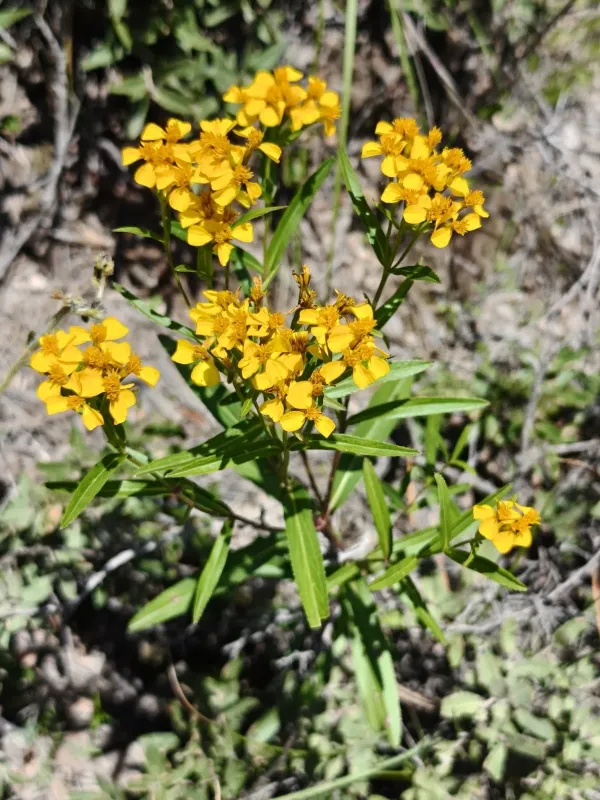
Description
Sowing dates
Tagetes lucida, often referred to as Mexican tarragon or Mexican marigold, is an aromatic perennial plant belonging to the Asteraceae family. In cooler climates, it is typically grown as an annual.
Seeds should be sown indoors in early spring, approximately six to eight weeks before the last frost date. They require warmth and light to germinate successfully within about two weeks.
Transplanting seedlings to the garden should occur once temperatures are consistently warm. The plant thrives in full sun, which is essential for developing its signature anise-like fragrance.
Planting density is crucial for healthy development; spacing should be about 30–45 cm between plants to ensure adequate air circulation and prevent overcrowding.
Direct sowing in the garden is possible only in regions with long, warm growing seasons, as the seeds need warm soil to sprout effectively and establish roots before the heat of summer.
Growing requirements
This plant prefers well-draining, moderately fertile soil. It is adaptable to various soil types but struggles in heavy, waterlogged clays where roots are prone to decay.
Tagetes lucida is relatively drought-tolerant once established. However, for maximum foliage production, it requires consistent moisture throughout the growing season.
Full sun exposure is a non-negotiable requirement for this species. Shade-grown plants tend to become leggy, produce fewer flowers, and exhibit a significantly weaker aroma.
Fertilization should be handled with care; excessive nitrogen promotes lush vegetative growth but can dilute the concentration of essential oils, reducing the plant's culinary value.
In colder regions, gardeners often treat the plant as a decorative annual or dig up the roots before winter to store them in a frost-free environment until the next spring.
Main diseases and pests
One of the primary benefits of Tagetes lucida in an agricultural setting is its natural resistance to many common pests. The potent essential oils act as a biological deterrent.
Root rot is the most common issue, occurring primarily in poorly drained soil or during prolonged periods of excessive humidity. Improving soil structure is the best preventative measure.
Fungal infections such as powdery mildew may occur in stagnant, humid environments. Ensuring proper spacing and keeping foliage dry during watering helps maintain plant health.
While rarely bothered by insects, aphids may occasionally attack stressed plants. Integrated pest management strategies, such as physical removal or insecticidal soaps, are generally sufficient.
Maintaining a clean garden bed by removing debris helps prevent the accumulation of pathogens that could potentially affect the plant's long-term vitality.
Harvesting
The harvest period spans from late spring through the first frost. Leaves and tender stem tips are best harvested in the morning after the dew has evaporated.
Frequent pruning of the upper growth not only provides a steady supply of herbs for the kitchen but also encourages the plant to develop a fuller, bushier structure.
For storage, bunches of stems should be hung upside down in a dark, airy location. Quick drying preserves the integrity of the essential oils and the vibrant color of the foliage.
The bright yellow flowers are also edible and can be harvested separately to add color and a mild flavor profile to salads, desserts, or specialized herbal tea blends.
Once dried, the herb should be stored in opaque, airtight containers to protect it from light and moisture, ensuring it retains its potency for several months.