
Tagetes micrantha
Tagetes micrantha Cav.
Description
Sowing dates
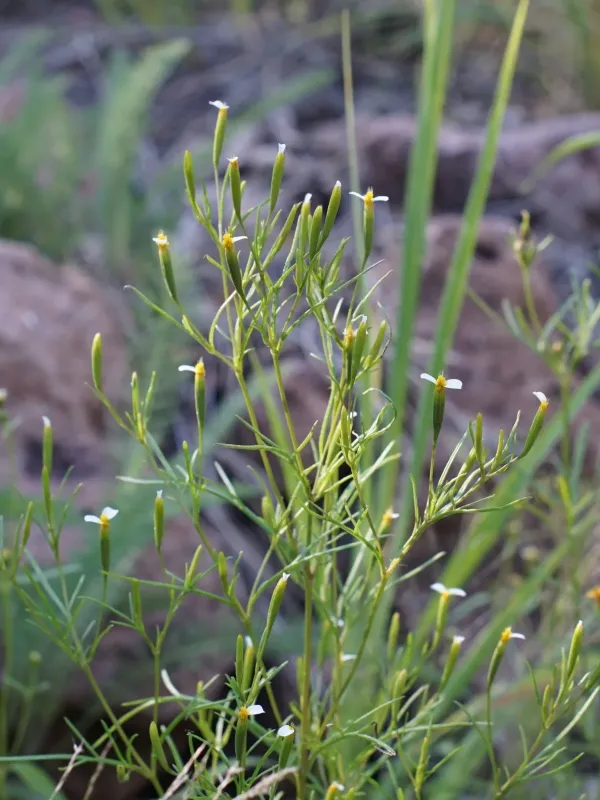
Tagetes micrantha is an annual flowering herb belonging to the Asteraceae family, valued primarily for its strong anise-like scent and culinary applications.
Seeds are typically sown in spring once the danger of frost has passed. For greenhouse production, starting seeds indoors 4–6 weeks prior to planting is recommended.
The seeds should be covered lightly with soil at a depth of approximately 0.5–1 cm. Optimal germination occurs at temperatures around 20°C with consistent moisture.
Planting density should be managed to ensure proper airflow, usually spacing plants 20–30 cm apart to prevent humidity-related issues.
The crop grows relatively quickly, reaching maturity and starting to flower within 60 to 90 days after the emergence of seedlings.
Growing requirements
This species thrives in full sun, which is essential for maximizing the production of essential oils that provide its characteristic aroma.
Well-drained, sandy, or loamy soil with a neutral pH is ideal for cultivation. The plant does not tolerate waterlogged conditions, which can lead to root failure.
Tagetes micrantha is highly drought-tolerant once established, requiring deep but infrequent watering during the peak growing season.
Warm temperatures are preferred for growth, with an ideal range between 22°C and 28°C. The plant is highly sensitive to frost and cold snaps.
Low-fertility soils are often sufficient; excessive nitrogen fertilizer should be avoided as it encourages vegetative growth at the expense of floral development.
Main diseases and pests
Common pests include spider mites and whiteflies, especially during hot and dry weather cycles where these populations can proliferate rapidly.
Fungal diseases, particularly root rots, are the primary threat in environments with high soil moisture or poor drainage systems.
In early spring, seedlings may be susceptible to slugs and snails, which can cause significant damage to the young, tender foliage.
Powdery mildew can appear if the plants are crowded and there is insufficient circulation of air throughout the plantation site.
Integrated pest management, including the use of neem oil or other organic pesticides, is recommended to keep the harvest safe for culinary consumption.
Harvesting
Harvesting is typically performed by cutting the aerial parts of the plant during the vegetative stage, ideally just before the full bloom phase.
It is best to harvest in the morning after the dew has evaporated to ensure the highest concentration of aromatic compounds remains in the plant tissue.
The harvested material must be dried in a dark, well-ventilated area. Direct sunlight should be avoided to prevent the degradation of volatile oils.
Dried leaves and flowers are stored in airtight containers to preserve their distinct anise-like flavor for use in culinary seasoning or herbal tea blends.
When collecting seeds for the next cycle, wait until the flower heads are dry and brownish, then harvest and store them in a cool, dry place.