
Lemon Marigold
Tagetes lemmonii A. Gray
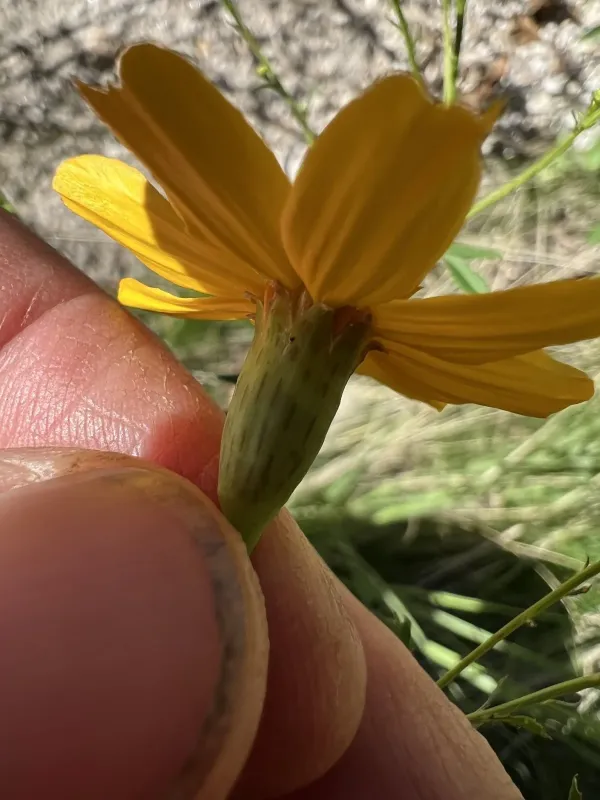
Description
Sowing dates
Lemon Marigold (Tagetes lemmonii), a member of the Asteraceae family, is a perennial subshrub native to Arizona and Mexico. For successful propagation, seeds should be sown indoors in late winter or early spring, approximately 6 to 8 weeks before the last expected frost date.
Maintain a stable temperature of 20–22 degrees Celsius for seed germination. Use a lightweight, well-draining seed starting mix to ensure the seedlings develop strong roots without the risk of waterlogging, which is common in denser substrates.
Once the first set of true leaves appears, transplant the seedlings into individual pots. Providing adequate light is crucial during this stage to prevent the plants from becoming leggy and to ensure they grow into sturdy, healthy specimens before being moved outdoors.
Outdoor planting should occur only after the danger of frost has passed and the soil has warmed significantly. Space the plants 50–60 centimeters apart to allow for their natural spreading habit, as they can grow into large, fragrant mounds during the growing season.
Vegetative propagation via stem cuttings is also a highly effective method. Take cuttings in the summer, root them in a sandy soil mix under high humidity, and you will maintain the true-to-type characteristics and the plant's signature citrus fragrance.
Growing requirements
Being adapted to arid environments, Lemon Marigold thrives in full sun. It requires a location that receives at least six to eight hours of direct sunlight daily to encourage dense growth and a profusion of its signature golden-yellow flowers.
The ideal soil for this species is sandy, rocky, or well-drained loam with a neutral to slightly acidic pH. Avoid heavy, water-retentive clay soils, as the plant is prone to root rot in soggy conditions, which often leads to rapid decline.
While the plant is remarkably drought-tolerant once established, moderate irrigation is necessary during the peak of summer to sustain continuous blooming. Always allow the soil to dry out between waterings to maintain the health of the root system.
Temperature requirements generally fall within USDA hardiness zones 8 through 11. In colder climates, these marigolds are often treated as annuals or kept in containers, which allows for easy relocation indoors to protect them from freezing winter temperatures.
Their primary use is ornamental, serving as excellent additions to xeriscapes, pollinator gardens, and borders. Their strong, lemony scent acts as a natural deterrent against many pests, making them a functional choice for companion planting in vegetable patches.
Main diseases and pests
The most significant threat to Lemon Marigold is root rot caused by overwatering or poor soil drainage. Ensuring that the planting site has excellent aeration and drainage is the most effective preventative measure against this persistent issue.
Spider mites are common pests that thrive in hot, dry conditions. If detected, treatment with insecticidal soaps or neem oil is usually effective. Regular monitoring of the foliage, especially during heatwaves, helps in identifying infestations at an early stage.
Whiteflies can also target these plants, particularly when they are kept in crowded conditions. Improving air circulation around the plants and using sticky traps can significantly reduce their population without the need for harsh chemical interventions.
Powdery mildew may occur if air circulation is poor, particularly in humid or stagnant garden corners. Pruning back the plant periodically to remove old or overly dense growth helps keep the foliage dry and healthy, preventing fungal spores from taking hold.
Snails and slugs can damage young foliage, particularly in early spring. Protecting the base of the plant with a barrier of crushed gravel or diatomaceous earth is a practical way to keep these gastropods away without harming the beneficial insect population.