
French marigold
Tagetes patula L.
Description
Sowing dates
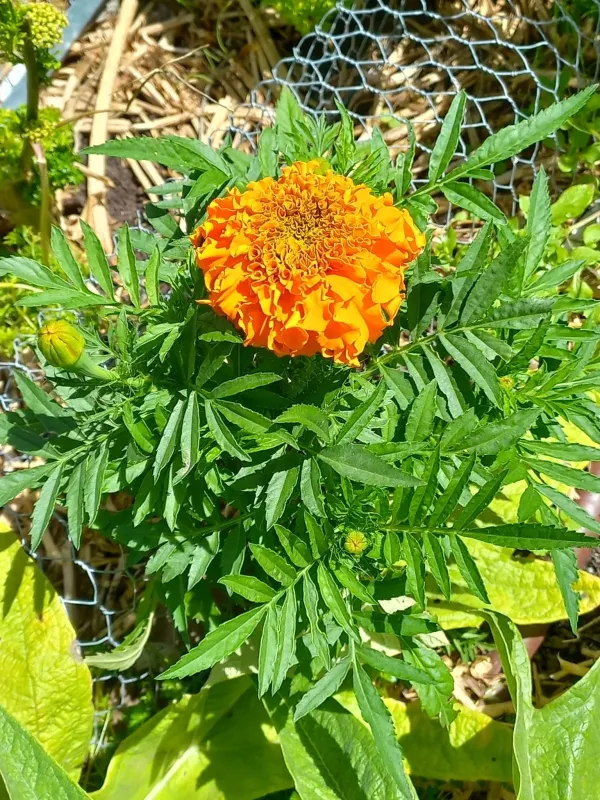
French marigold (Tagetes patula) is an annual plant belonging to the Asteraceae family, native to the mountainous regions of Mexico. It is widely cultivated for its ornamental value and its unique role in sustainable agriculture.
For early bloom, seeds should be sown indoors in trays or seed cells during late March or early April. An ambient temperature of +20°C to +22°C ensures optimal germination within 5 to 10 days.
Transplanting into the open garden is recommended after all danger of frost has passed, typically in late May. French marigolds are highly resilient and recover quickly from the shock of transplantation.
Direct sowing in the garden is possible once the soil temperature consistently reaches +15°C. Seeds should be sown at a depth of approximately 1 cm to ensure proper coverage and moisture retention.
Spacing requirements vary based on the intended use: 20–30 cm apart for garden displays, while closer spacing is often used when cultivating them specifically for soil nematode suppression.
Growing requirements
This species is highly photophilous and thermophilic, requiring full sun exposure to flourish. While they can tolerate partial shade, their flowering density and overall plant vigor will be significantly reduced.
French marigolds prefer fertile, well-drained loamy soils. They are sensitive to waterlogged conditions, which can lead to root rot and other fungal infections, so soil drainage is of paramount importance.
Regular, moderate watering is essential during the active growing season. While they can withstand brief periods of drought, consistent moisture ensures maximum bloom production throughout the summer.
Nutrient management is key; while they respond well to balanced fertilizers, excessive nitrogen application leads to rapid leaf growth at the expense of flower development.
Basic maintenance includes regular weeding and light soil cultivation to improve aeration, which prevents soil crusting and promotes a healthier root environment.
Yield
The primary agricultural value of Tagetes patula lies in its allelopathic properties, specifically the production of phytochemicals that suppress harmful soil-borne nematodes.
In commercial agriculture, they are used as a cover crop or an intercropping plant to improve the yield of susceptible crops like tomatoes, potatoes, and various vegetables by cleaning the soil.
The flowers are also harvested for the extraction of essential oils, which are utilized in the perfume industry and as natural biopesticides in organic farming operations.
Yields of flowers for essential oil production vary significantly based on variety and soil health, but intensive cultivation can yield substantial biomass and blossom counts per hectare.
To ensure high production, deadheading (the removal of spent blossoms) is highly recommended, as it prevents seed formation and encourages the plant to produce new flower buds continuously.
Main diseases and pests
Young seedlings are particularly vulnerable to slugs and snails, especially during damp springs, necessitating protective measures during the early growth stages.
In hot, dry weather conditions, spider mites can become an issue, sucking sap from the leaves and causing chlorosis, yellowing, and eventual leaf drop if left untreated.
Botrytis, or gray mold, can occur if plants are spaced too closely or if humidity levels remain consistently high, leading to unsightly spots on stems and petals.
Root rot, driven by stagnant water and heavy soil textures, remains the most critical threat to the longevity and health of the marigold population.
- Maintain proper plant spacing for air circulation.
- Monitor for early signs of pest infestation.
- Improve soil drainage to prevent water accumulation.
- Practice crop rotation to avoid pathogen buildup.
Harvesting
Harvesting flowers for industrial processing is typically performed during the peak bloom phase, when the concentration of essential oil compounds is at its highest.
When collecting seeds, allow the flower heads to dry on the plant until they turn brown and brittle, then harvest, thresh, and store them in a cool, dry environment.
When utilizing marigolds for nematocidal purposes, the entire plant is chopped and incorporated into the soil as green manure at the end of the growing cycle.
For cut flower use, harvest should be done early in the morning when the stems are fully turgid to ensure maximum vase life once they are placed in water.
Remove lower foliage from stems to avoid rot in the vase and re-cut the stem ends every few days to maintain water uptake and floral freshness.