
Signet marigold
Tagetes tenuifolia Cav.
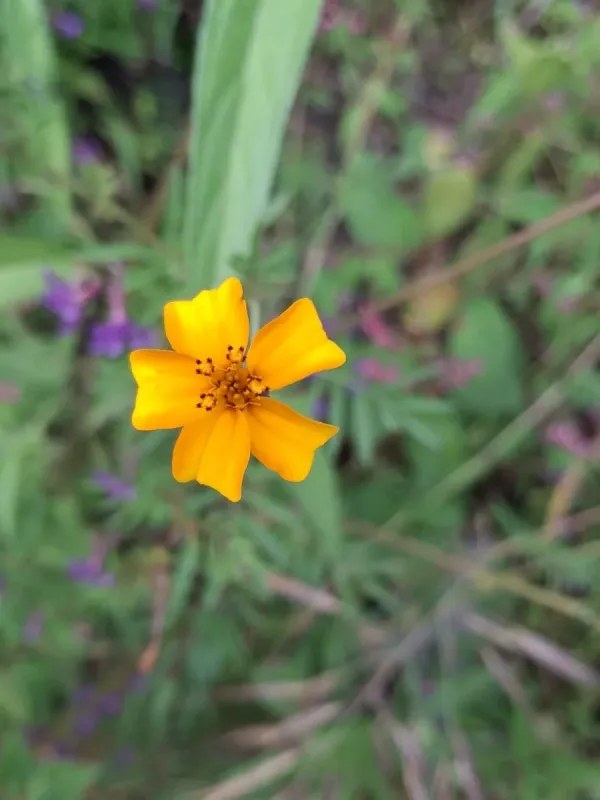
Description
Sowing dates
Seeds of Tagetes tenuifolia should be sown indoors in March or April to ensure a long flowering season. They should be covered lightly with a substrate, keeping them at a temperature of 18–22 degrees Celsius for optimal germination.
When sowing directly into the garden, wait until the danger of frost has passed. Ensure the soil is loosened and well-drained, as these seeds need a stable environment to thrive during their initial growth phase.
Seedlings usually emerge within 10 days. Once they develop their first set of true leaves, they should be pricked out and transplanted into individual pots or spaced properly to encourage bushy growth.
Before moving the plants outdoors, hardening off for at least one week is crucial. Gradually exposing them to outdoor conditions improves their resilience and helps them adapt to direct sunlight and wind.
Planting distances should be kept between 20 to 30 cm depending on the variety. Consistent spacing allows for good air circulation, which is vital for preventing disease later in the season.
Growing requirements
Signet marigolds are part of the Asteraceae family and are native to Mexico. They are highly heliophilic plants, meaning they require full sun exposure to maintain their vibrant colors and compact habit.
While they are tolerant of various soil types, they perform best in fertile, well-draining soil with a neutral pH level. Excessively rich soil can lead to lush vegetative growth but reduce the number of blossoms.
These plants are remarkably drought-tolerant once established. However, to maintain the best appearance throughout the summer, regular watering during dry spells is recommended to prevent wilting.
Tagetes tenuifolia is famous for its distinct, citrus-like scent. This fragrance is not just ornamental; it acts as a natural pest deterrent, making them an excellent choice for companion planting in vegetable gardens.
They prefer warm temperatures and do not tolerate frost. In hot climates, they continue to bloom profusely until the first cold autumn weather arrives, making them reliable plants for long-term landscaping.
Main diseases and pests
Grey mold (Botrytis) is the most common threat when the plants are grown in poor-draining soil or during prolonged periods of wet, cool weather. Proper irrigation management is the primary defense.
Spider mites can become a nuisance during hot, dry summer months. Inspecting the undersides of the leaves periodically can help identify infestations before they cause significant damage to the plant's health.
Root rot is a persistent problem if the plants are overwatered or planted in heavy clay soils. Ensuring proper drainage is essential for maintaining a healthy root system throughout the plant's lifespan.
Slugs and snails may attack young plants. In vulnerable areas, manual collection during evening hours or using physical barriers such as crushed eggshells can protect the marigolds from being eaten.
Powdery mildew might appear if there is poor air circulation around the plants. Pruning surrounding foliage and avoiding overhead watering can help reduce the humidity around the leaves.