
Lemmon's marigold hybrid
Tagetes lemmonii x Tagetes patula
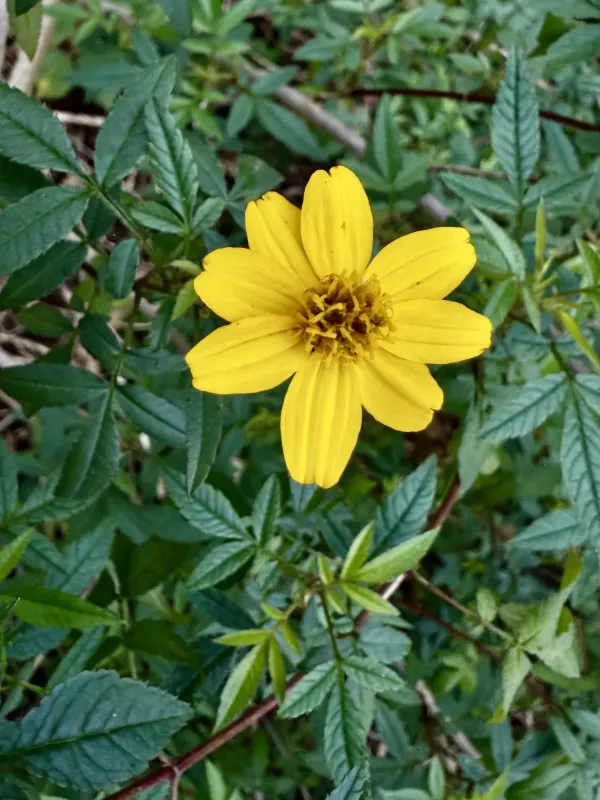
Description
Sowing dates
Sowing Lemmon's marigold hybrids is typically performed indoors to extend the growing season. Seeds should be sown in early spring in well-draining seed-starting mix, buried lightly to a depth of 0.5 cm.
Maintain consistent temperatures between +20°C and +22°C to ensure successful germination. Covering the containers with clear plastic helps maintain the necessary humidity during the initial growth phase.
Once seedlings develop their first true leaves, they should be pricked out into individual pots. This practice promotes a healthier root system and makes the transition to outdoor soil much less stressful for the young plant.
Hardening off the seedlings for at least a week before final transplantation is essential. Move the pots outdoors gradually to acclimatize the hybrids to natural light levels and temperature fluctuations.
Outdoor direct sowing is possible in regions with long frost-free periods. However, in cooler climates, starting plants in a controlled environment is mandatory for consistent crop success and vigorous development.
Growing requirements
The hybrid belongs to the Asteraceae family and is highly valued for its aromatic foliage and bright floral display. The plant thrives in full sun, which is the most critical factor for optimizing its overall growth and flower production.
Soil requirements for this hybrid focus on drainage. While it adapts to various soil types, waterlogged conditions must be avoided at all costs to prevent root-related issues and physiological stress.
Effective management includes moderate fertilization. Excessive nitrogen will promote lush green foliage at the expense of floral development, so balanced fertilizer formulations are recommended during the active growth period.
Watering should be managed carefully, providing enough moisture to support growth while allowing the soil to dry out slightly between irrigation cycles. Drip irrigation is the most efficient method to keep foliage dry.
Spacing is vital for these robust hybrids. Planting too densely limits air movement, creating a microclimate favorable for pathogen development. Proper spacing ensures each plant reaches its genetic potential.
Main diseases and pests
The most common threats involve fungal infections such as Botrytis blight. These occur when humidity levels remain high around the plant's base, making sanitation and airflow the primary defense strategies.
Spider mites represent the most significant pest risk during hot, dry weather. They thrive on the underside of leaves and can quickly cause yellowing and plant decline if left unmanaged.
Root rot is a persistent danger caused by over-irrigation or heavy, clay-rich soils. Improving the soil structure with organic matter or sand is a standard preventative measure against this threat.
Aphid colonies may also target tender new growth. Integrated Pest Management (IPM) practices, including the use of neem oil or insecticidal soaps, are generally effective in maintaining plant health.
- Maintain proper plant spacing
- Apply mulch to prevent soil splashing
- Inspect leaves regularly for pests
- Ensure adequate drainage